Improving Water Quality Across Iowa through Engineering Innovation
Water quality challenges in Iowa span the full system, from agricultural landscapes to the infrastructure that delivers safe drinking water. Making progress requires coordinated solutions that connect watershed planning, conservation practices, and public water and wastewater systems.
ISG works across this full spectrum to help Iowa communities improve water quality in practical, measurable ways.
Agricultural Water Quality
Iowa leads the nation in agricultural production, which is key in maintaining its economic and cultural vitality. However, conventional farming practices have led to increased soil erosion and runoff into streams, rivers, and downstream drinking water supplies. Effective solutions must work within active agricultural systems while delivering real reductions in nutrients such as nitrates.
ISG supports agricultural water quality through scalable, field-level improvements, including:
Edge-of-Field Batch + Build Practices
Batch and build practices group multiple nearby sites under one contract, using standardized designs and coordinated construction to reduce costs, speed up permitting, and maintain consistent quality. For a recent batch and build project, ISG:
- Worked with 24 landowners across nine sites
- Installed 68 saturated buffers that treat runoff from 5,707 acres
- Installed six bioreactors to treat water from 639 acres
Bioreactors are designed to treat at least 15% of drainage flow, while saturated buffers vary by site, with ranges from about 0.5% up to nearly 15% of drainage flow treatment.
Drainage Water Recycling
Drainage water recycling captures excess field water in basins or wetlands and reuses it during dry periods for irrigation, improving water availability while retaining nutrients and reducing downstream water quality impacts. For a project in Whittemore, Iowa, ISG:
- Designed a tiered pond-wetland system with 3.7 acres of a deep pool and wetland basin
- Treated tile drainage runoff from 633 acres with an estimated 90% nitrate removal efficiency
- Added over 48 acre-feet of water storage capacity for later irrigation use
The site was designed to allow for Iowa State University to monitor water quality and flow volumes, informing future research of drainage water recycling’s quantifiable water quality outcomes and supporting the state’s Nutrient Reduction Strategy.
Drinking Water
Quality Source water quality and drinking water infrastructure are closely connected. In many Iowa communities using surface water or shallow alluvial sources, nitrate contamination and limited treatment capacity create challenges for maintaining safe and reliable drinking water. Addressing these issues requires solutions that improve source water conditions and enhance treatment system performance.
ISG supports drinking water quality improvements through projects such as:
Aquifer-Recharging Wetland Complex
In Sioux County, Iowa, ISG’s aquifer-recharging wetland system uses a series of sediment forebays and constructed wetlands to treat river water before it reaches the drinking water source. After passing through these treatment stages, water infiltrates into a designated aquifer zone, where natural processes reduce nitrate concentrations prior to reaching nearby wells.
For this project, ISG:
- Designed a floodplain-connected system of five constructed wetlands to treat river water before aquifer recharge
- Treated source water serving a rural system with 1,375 connections and over 3,175 customers, improving water quality for four adjacent counties
- Reduced nutrients and turbidity prior to infiltration into a shallow aquifer system
By improving water quality before it enters the aquifer, the system helps reduce long-term treatment demands. By inducing aquifer recharge, this wetland complex provides long-term resilience against water supply limitations due to drought.
A Connected Approach to Iowa Water Quality
Agricultural practices, watershed conditions, and drinking water are closely linked. By connecting solutions across these systems, ISG is helping Iowa communities advance more effective, resilient approaches to protecting water quality statewide.
Blog Authors

Business Unit Leader, Water
Julie.Blackburn@ISGInc.com
507.387.6651

Vice President, Public Works
Derek.Johnson@ISGInc.com
515.243.9143

.webp)
.webp)
.webp)
.webp)
.webp)
.webp)
Related Articles


Community Development Plans: Strengthening the Foundation for Deeper Connections
For a community to evolve into a quality place to live, work, and explore, it starts with a vision. ISG's Planning Group helps bring visions to reality through a strategic process that results in an actionable, and holistic plan, also known as a Community Development Plan (Plan).

Five Takeaways from River Connections: A Science + Strategy Workshop for the Mississippi River Watershed
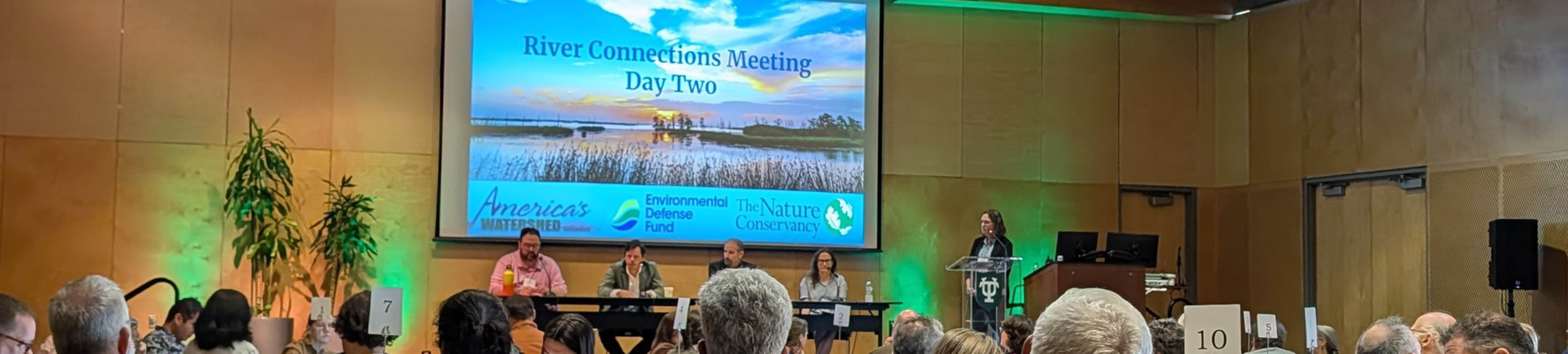
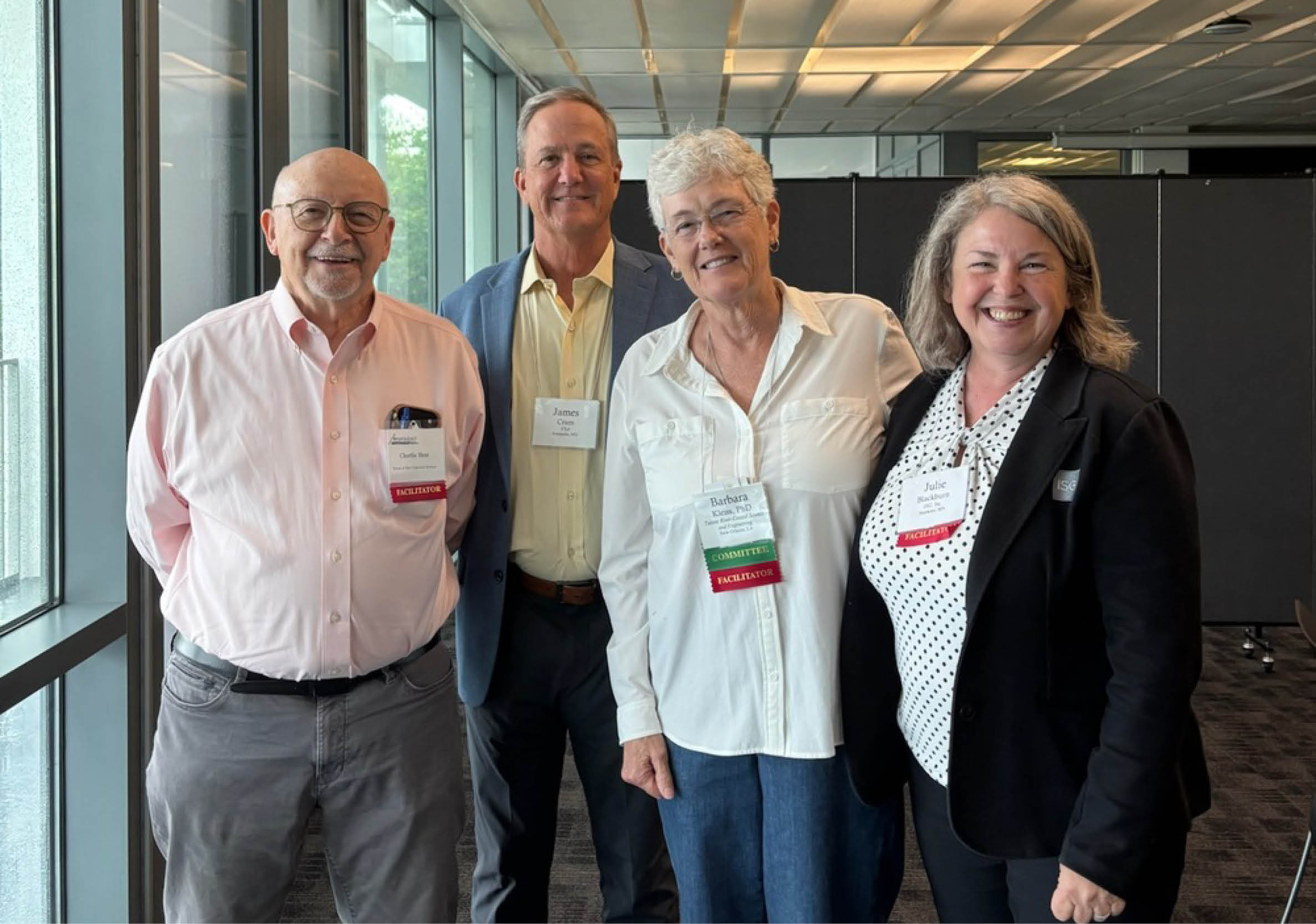
Science and Strategy Workshop for the Mississippi River Watershed, hosted by Tulane University in partnership with America’s Watershed Initiative and The Nature Conservancy, brought together practitioners from across the 31-state Mississippi River Basin to explore how research, policy and implementation are aligning to address shared challenges.