Top Five Takeaways from The Environmental Markets Conference
The Environmental Markets Conference (EMC), hosted this year in Tennessee, brings together practitioners from across the country to explore how environmental mitigation, restoration, and markets are evolving—and what this means for clients and project teams. Read on for ISG’s conference takeaways.
- Restoration is intersecting with a wider set of environmental markets and considerations. While wetlands and streams remain core components of mitigation work, EMC sessions highlighted how restoration increasingly overlaps with carbon markets, nutrient credit trading, and threatened and endangered species considerations. In states like Tennessee and across the Eastern U.S., these elements are tightly integrated into both project delivery and regulatory processes.
The Takeaway: Restoration continues to evolve alongside infrastructure and development, with environmental markets playing a growing role in how projects are planned and delivered. - Seeing restoration in action reinforces the value of designing to a site’s strength. Site visits were a standout part of the conference, particularly the wetland mitigation bank along Georgia’s Conasauga River floodplain. More than 60 acres were restored and over 33,000 trees planted, reinforcing how scale, patience, and site-specific design come together in successful projects.
The Takeaway: These hands-on experiences highlight the value of designing to complement the landscape rather than against it. Site visits from clients and partners reinforce further project understanding among stakeholders, which is vital for project success. - Observing stream restoration techniques offers new approaches to consider. One site visit showcased a first-year post-construction stream mitigation bank where a previously straightened ditch was restored to its historic alignment. Raising the channel grade reconnected the floodplain and improved resilience during large rain events. The site used large woody debris and log cross vanes for erosion control, materials that were harvested onsite during construction.
The Takeaway: Seeing different design approaches, such as incorporating on-site woody material and natural features alongside traditional erosion control, offered practical insights that can inform future stream restoration work. - Nutrient credit trading is gaining traction, but the Midwest lacks demand drivers. Multiple sessions focused on water quality credit trading for nutrients like nitrogen and phosphorus, which are common contaminants in agricultural landscapes. Firmly established in the states within the Chesapeake Bay watershed, nutrient credit trading has yet to leverage the opportunity offered by midwestern agricultural landscapes to rapidly and cost-effectively accelerate nutrient reduction.
The Takeaway: While regulatory frameworks are in place, many midwestern states lack the incentives to create or purchase credits. Until the market drivers change, lower-cost nutrient reduction at scale will remain limited. - Early environmental involvement saves time, money, and potential redesign. Identifying environmental-related permitting constraints, mitigation costs, or alternative site layouts upfront helps avoid surprises and supports better decision-making. When treated intentionally, environmental features can be site amenities that serve an environmental function rather than being left underutilized.
The Takeaway: Early environmental due diligence is important, even during proposal and concept planning.
Blog Authors

Nick McCabe
Senior Environmental Scientist
Nick.McCabe@ISGInc.com
507.387.6651

Julie Blackburn, CFM
Business Unit Leader, Water
Julie.Blackburn@ISGInc.com
507.387.6651

.webp)
.webp)
.webp)
.webp)
.webp)
Related Articles


Community Development Plans: Strengthening the Foundation for Deeper Connections
For a community to evolve into a quality place to live, work, and explore, it starts with a vision. ISG's Planning Group helps bring visions to reality through a strategic process that results in an actionable, and holistic plan, also known as a Community Development Plan (Plan).

Five Takeaways from River Connections: A Science + Strategy Workshop for the Mississippi River Watershed
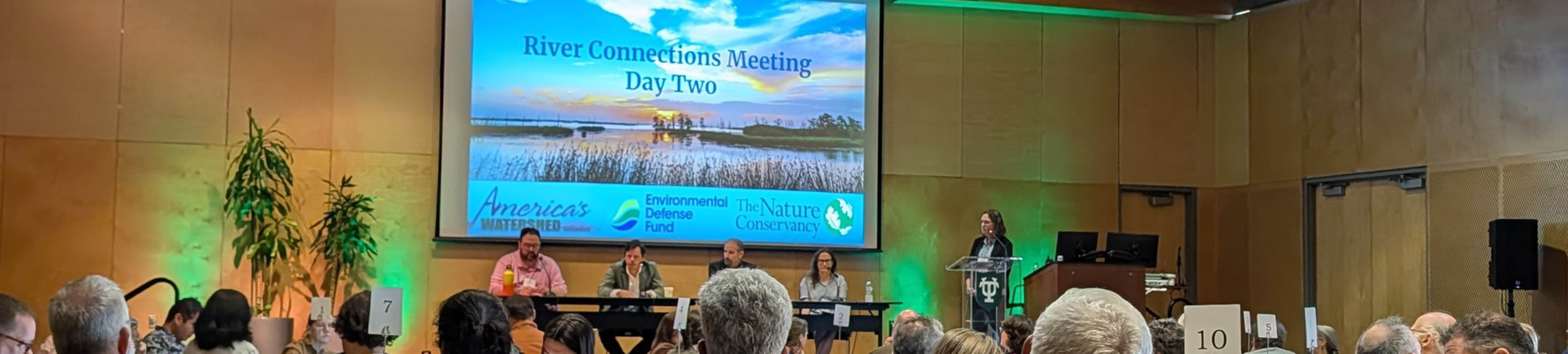
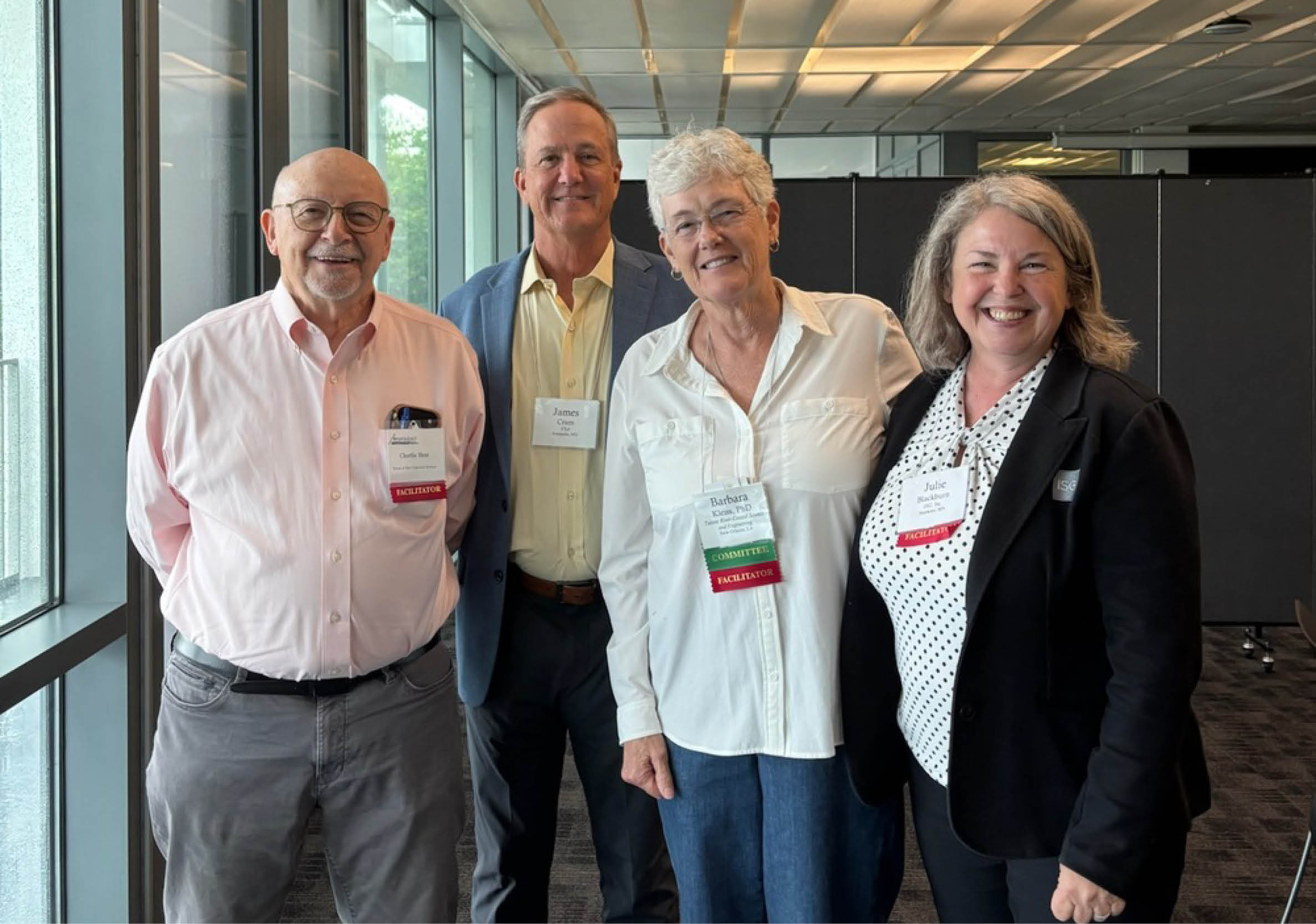
Science and Strategy Workshop for the Mississippi River Watershed, hosted by Tulane University in partnership with America’s Watershed Initiative and The Nature Conservancy, brought together practitioners from across the 31-state Mississippi River Basin to explore how research, policy and implementation are aligning to address shared challenges.