Urban Land Institute (ULI) National Conference Takeaways
The ULI fall meeting in Miami brought over 5,000 developers, planners, designers, architects, engineers, and policymakers together to discuss land use policy, real estate development, and capital market insights. Topics that stood out to me included:
1. Low-Income Housing Tax Credits, Tax Increments, and Opportunity Bonds
With increased demand for affordable housing options and low-income housing tax credits and subsidies, affordable housing is tending to progress faster than high-end rental housing. The Low-Income Housing Tax Credit (LIHTC) is the primary federal program for financing affordable rental housing. It provides tax credits to investors in qualified developments through two structures: competitive 9% credits and noncompetitive 4% credits paired with tax-exempt bond financing. Both new construction and rehabilitation projects may qualify, depending on the project's financing and eligibility.
Incentives to develop more affordable housing are becoming increasingly important in today’s market, with increasing housing costs for low-earners proving especially impactful. About 10.9 million low-income renter households face a shortage of 7.1 million homes, meaning that only 35 affordable units exist for every 100 such households. However, by generating more than 3.5 million housing units since 1986, LIHTCs are boosting low- to moderate-income housing across the county, striving to meet demand for affordable housing.
Additionally, I had the opportunity to connect with an Atlanta-based developer who explained their success with mission-based approaches, tax increment financing (TIF) use, and housing opportunity bonds. Although accessing capital can be challenging, creativity with available tax credits, TIFs, and housing opportunity bonds offer new approaches to bringing a project to life.
2. Creative Capital Structures as Competitive Advantages
A recurring theme across multiple sessions was the growing importance of strategic capital relationships. As project economics have become increasingly difficult, developers are relying less on straightforward debt-and-equity structures and more on layered financing strategies that combine public incentives, institutional capital, tax credit programs, infrastructure funding, and mission-driven investment.
The ability to structure capital has become nearly as important as the ability to design, entitle, or construct a project. Developers who understand how to integrate tools such as TIF, LIHTC, opportunity zone capital, public infrastructure funding, and strategic banking relationships can create new opportunities to advance projects. In this environment, competitive advantage is shifting toward teams that can build relationships with capital providers and public-sector partners to solve complex development challenges.
3. Accessibility Emerges as a Housing Strategy
Several speakers challenged the notion that accessibility is merely a regulatory obligation. With rising longevity and increased demand for aging-in-place options, developers are viewing accessibility as a market opportunity rather than a compliance exercise.
The discussion focused on creating communities that can accommodate residents through multiple stages of life without requiring moves as mobility needs change. Features such as zero-step entries, adaptable floor plans, enhanced technology integration, and universal design principles are attracting a broader resident profile that includes older adults, caregivers, and individuals with low mobility or strength.
Ultimately, the most resilient housing communities may be those designed for long-term usability from the outset, reducing future retrofit costs while expanding housing options for residents.
4. The Annual Trends Report
Each year, the ULI partners with PwC to prepare their Annual Trends Report. Many sessions I participated in presented new trends. ISG’s core markets in Raleigh and Charlotte are both back in the top ten, with Raleigh in fourth. Columbus moved from 38th to 19th, and Minneapolis moved from 50th to 35th. The report’s theme, “You Have to Work for It,” emphasizes that with determination, a creative spirit, and patience, deals are making progress.
5. Cross-Industry Collaboration
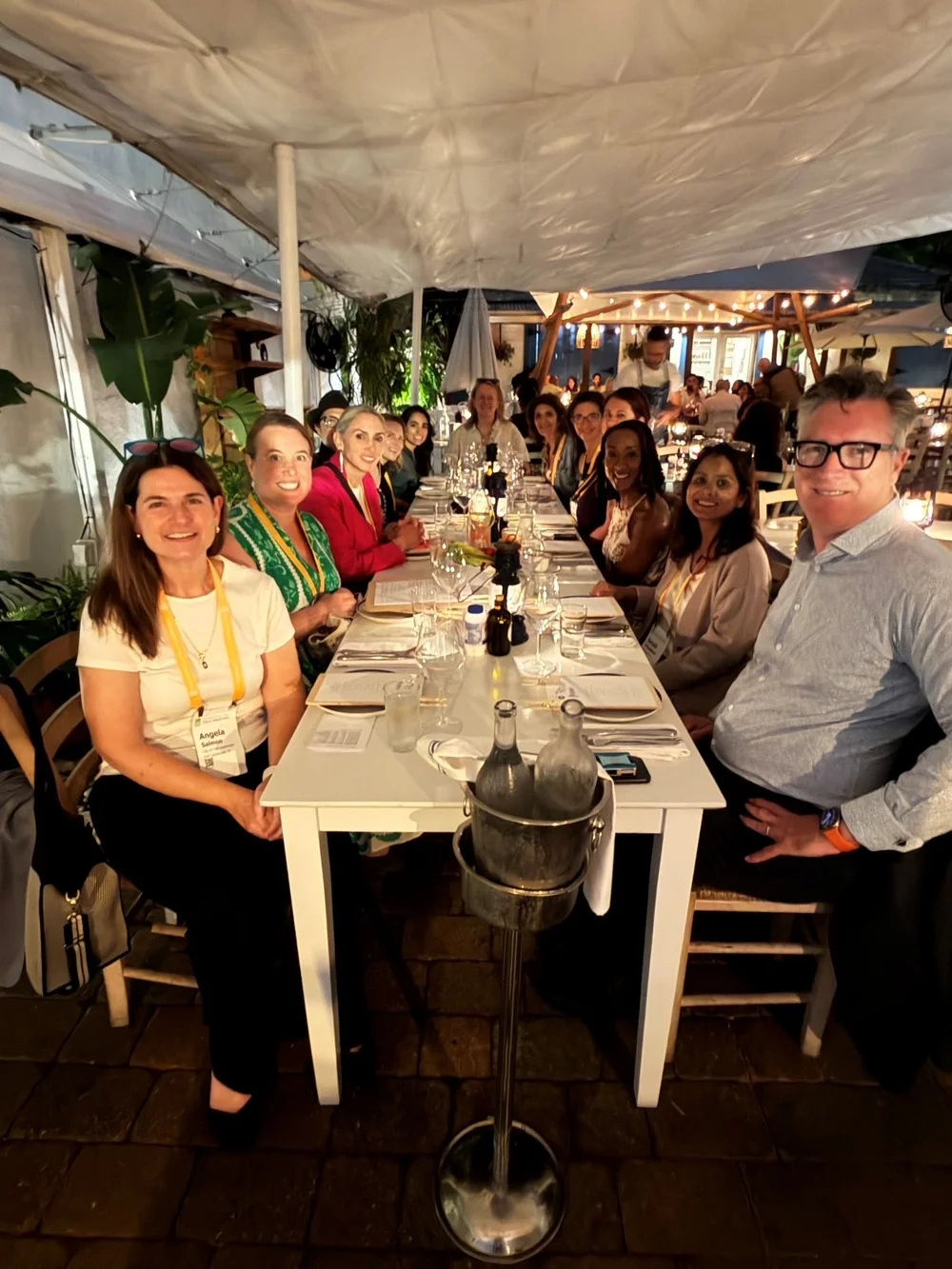
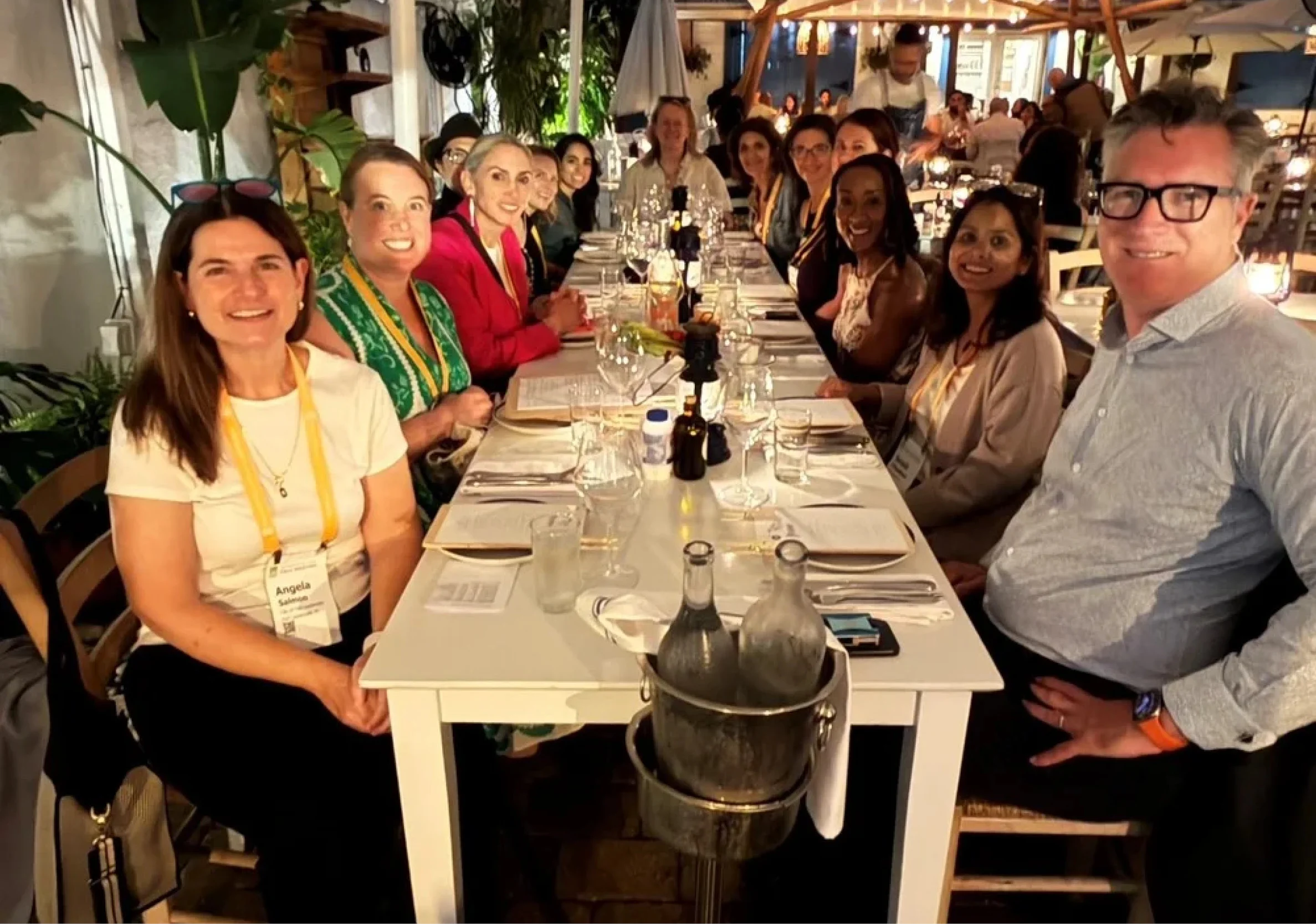
During the conference, I had the opportunity to attend a dinner hosted by the Women’s Leadership Institute. I met 15 extraordinary people from across the industry to exchange professional insights. Participants included professionals in design, artificial intelligence, real estate, and the environment. It was impactful to see how the ULI FALL Conference connects people and backgrounds across geographies. Each person offered a new perspective for ISG to consider in our work, emphasizing the importance of collaborating with other industry professionals, sharing valuable knowledge, and keeping an open mind. The ULI Fall Conference reinforced that real, long-term relationships are based on common interests, not transactions.
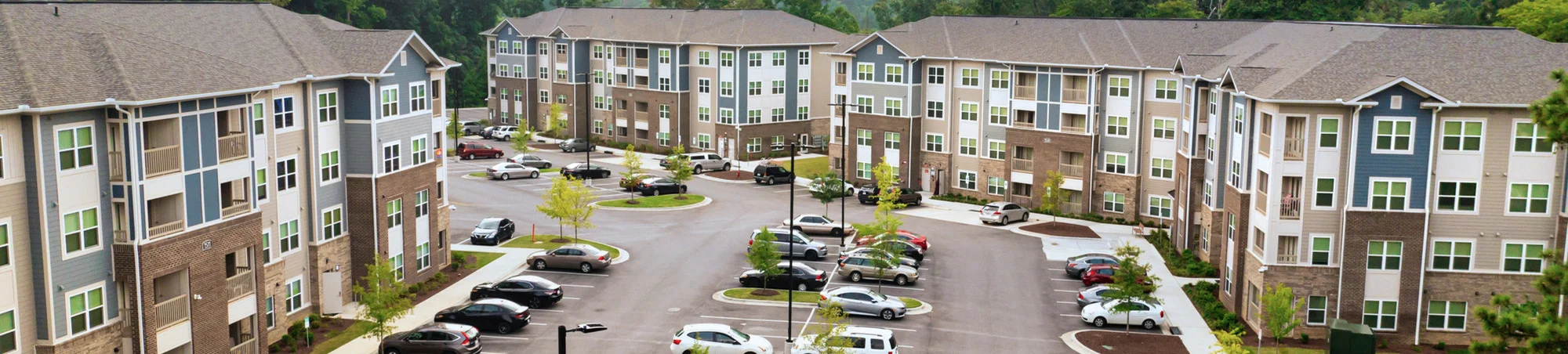
I look forward to bringing insight from the ULI Fall Conference to ISG to inform our designs, market expertise, and strong relationships with clients. To learn more about how ISG is supporting affordable housing and development through thoughtful design, check out our work HERE.