Biochar in Stormwater Best Management Practices (BMPs): Improving Infiltration, Retention, and Pollutant Removal
From filtering pollutants to improving infiltration, biochar is proving to be more than just a soil amendment. This carbon-rich material is increasingly being used in stormwater management applications to enhance BMP performance, reduce nutrient losses, and support cleaner waterways in both agricultural and urban environments.
What is Biochar + Why Does it Matter?
Biochar is a carbon-rich material produced from organic feedstocks such as wood, crop residues, manure, nut shells, and other biomass sources. By heating these materials in a low-oxygen environment, the resulting biochar has a highly porous structure and large surface area suitable for various agricultural, environmental, and water quality applications.
From roadside swales to rain gardens, biochar is helping stormwater systems work smarter. It can benefit a variety of stormwater management practices, including:
Filter Strips
Filter strips are vegetated areas that intercept sheet flow runoff and provide an initial level of treatment before water reaches downstream systems. Incorporating biochar into filter strips has been shown to increase infiltration capacity, enhance soil structure and aggregation, and reduce soil compaction. These improvements can increase runoff retention and promote the capture of sediment, nutrients, and other pollutants.
Dry Ponds
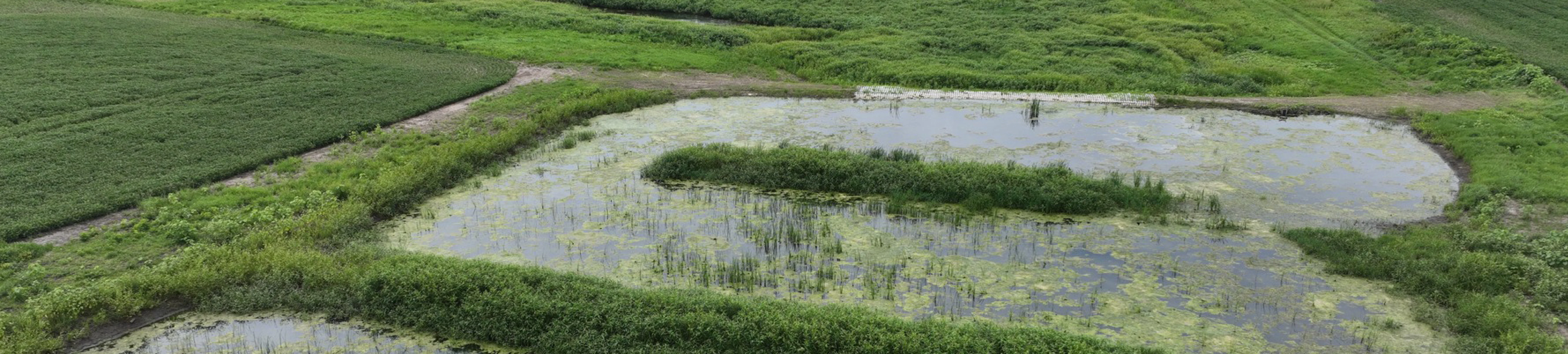
Dry ponds are stormwater basins designed to temporarily store runoff during precipitation events and release it gradually through a controlled outlet structure. In dry ponds, biochar amendments can increase infiltration and reduce runoff volumes in compacted or fine-textured soils. In coarser-textured or sandy soils, biochar can increase soil water-holding capacity and help control infiltration rates, supporting vegetation establishment and improving overall stormwater treatment effectiveness.
Vegetated Swales + Grass Channels
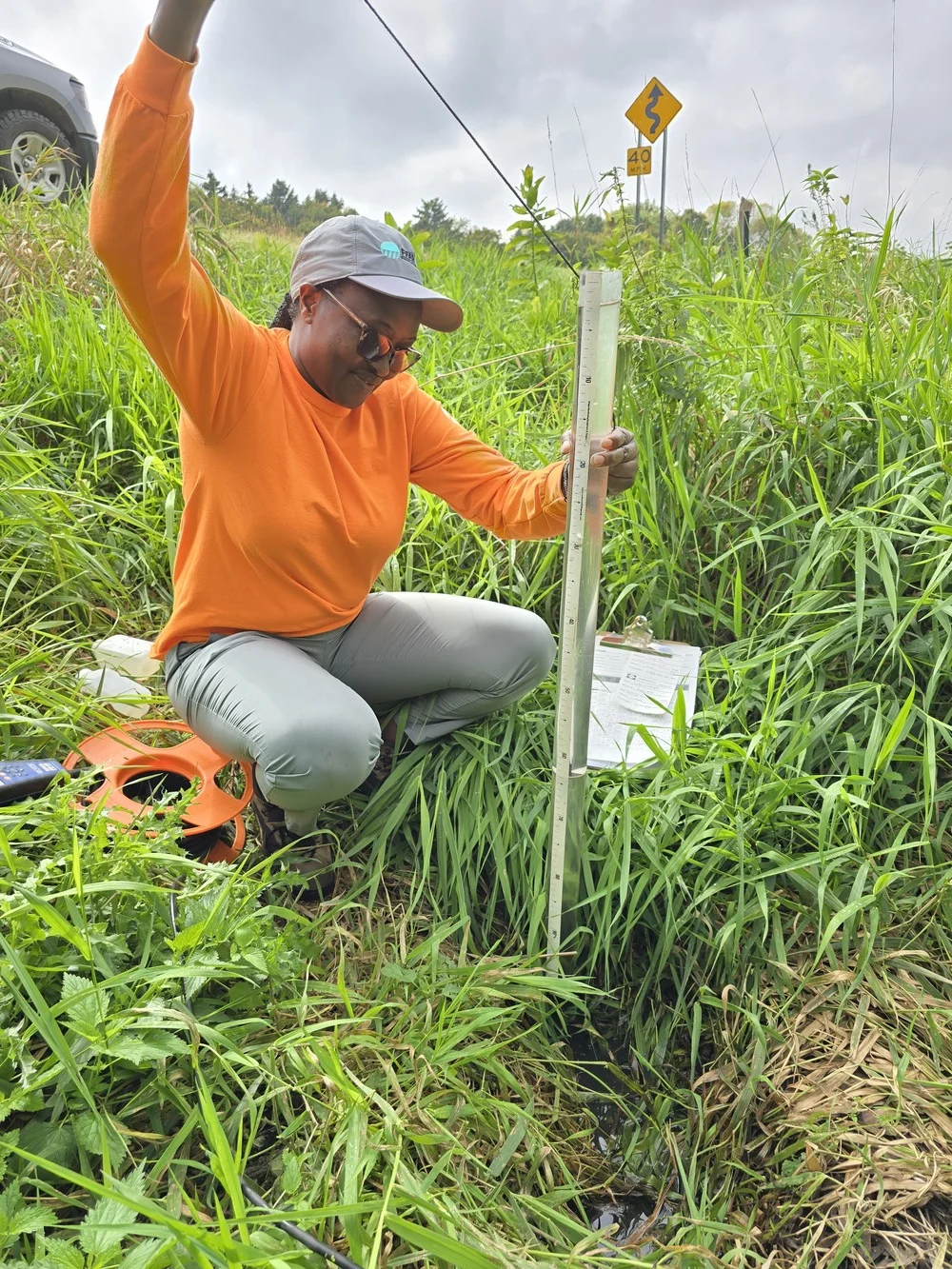
Vegetated swales and grass channels are commonly used along roadways and developed areas to treat stormwater runoff. Adding biochar to swale soils can increase infiltration rates, particularly in compacted urban or roadside settings where infiltration is often limited. Biochar-amended swales can also improve stormwater retention, support healthier vegetation, and enhance pollutant removal by increasing contact time between the runoff and soil.
Rain Gardens
Rain gardens are shallow, vegetated depressions designed to capture and infiltrate stormwater runoff from surrounding impervious surfaces. Amending rain garden soils with biochar can improve soil structure, reduce compaction, and enhance infiltration capacity. Biochar increases nutrient and pollutant retention within the soil media, improving treatment performance and practice longevity.
Not All Biochar is Created Equal
Biochar’s effectiveness depends on more than incorporating it into a stormwater BMP. Factors such as particle size, feedstock source, and soil conditions significantly influence performance. Particle size plays an important role in balancing pollutant removal with long-term BMP functionality. Smaller particles typically provide greater surface area and porosity, improving runoff retention and pollutant adsorption. However, overly fine particles can clog soil pores and filtration media, reducing infiltration rates and potentially releasing minerals, metals, or nutrients that affect water quality performance. The original feedstock also influences biochar characteristics. Because biochar retains many of the nutrients present in the source material, feedstock selection affects nutrient content, agronomic benefits, and potential nutrient release. Depending on the feedstock, biochar may contain varying amounts of phosphorus, potassium, calcium, magnesium, zinc, nitrogen, and sulfur. Additionally, site conditions affect biochar’s effectiveness. Biochar tends to provide the greatest benefits in well-drained or sandy soils, where it can improve water retention and nutrient-holding capacity. In heavier soils, biochar’s response is often more variable and may depend on site-specific conditions and application rates.
Biochar Benefits in the Community
As communities seek innovative solutions for cleaner water and more resilient infrastructure, biochar is proving to be more than just a soil amendment. From improving stormwater BMP performance to reducing nutrient transport and enhancing soil function, biochar offers a practical approach to addressing both water quality and sustainability goals. With continued research and application, biochar has the potential to become an increasingly valuable tool in the stormwater management toolbox.
Interested in learning how biochar can improve your community? Reach out to us at ISG!
References
American Biochar Institute
Center for Watershed Protection
American Farmland Trust