Designing Substations for Safety After Dark
Substations operate on a 24/7 schedule. Storm restoration, equipment switching, emergency repairs, and routine maintenance can happen at any hour, which means personnel need to safely access and work within a facility long after the sun goes down.
Enter substation lighting. While it may not receive the same attention as transformers, breakers, or protection systems, lighting plays a critical role in helping operators safely navigate the site, inspect equipment, and perform essential tasks during nighttime conditions.
Shedding Light on Substation Design
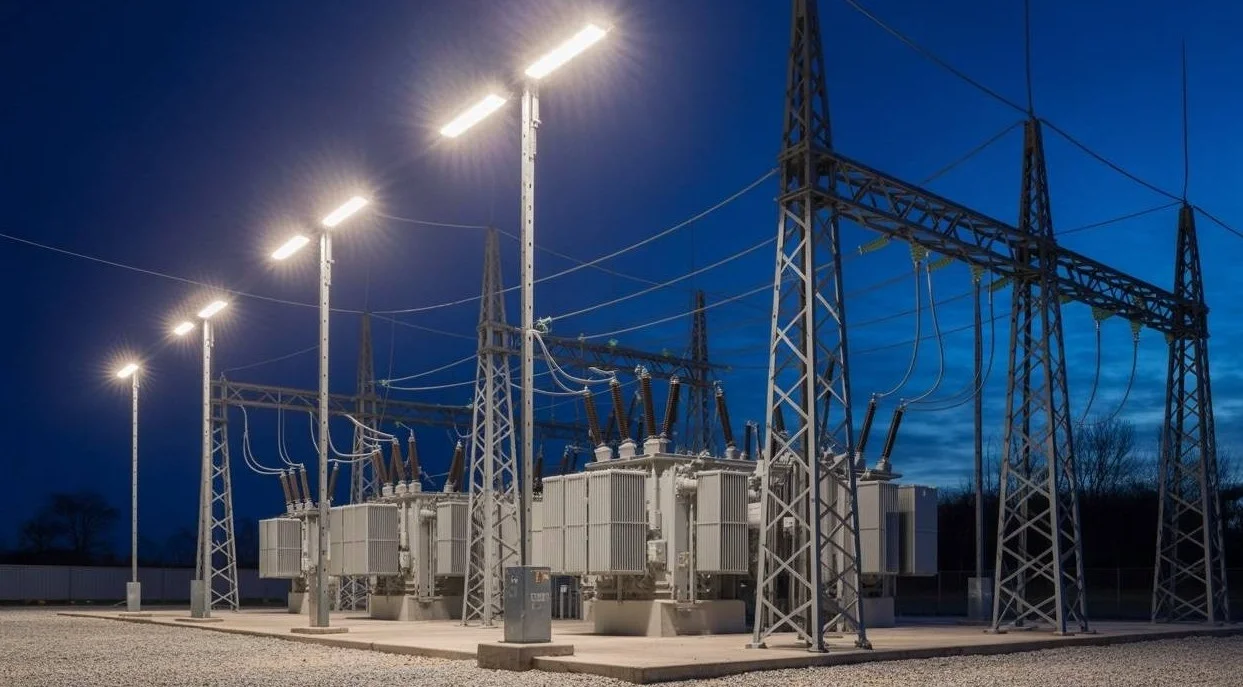
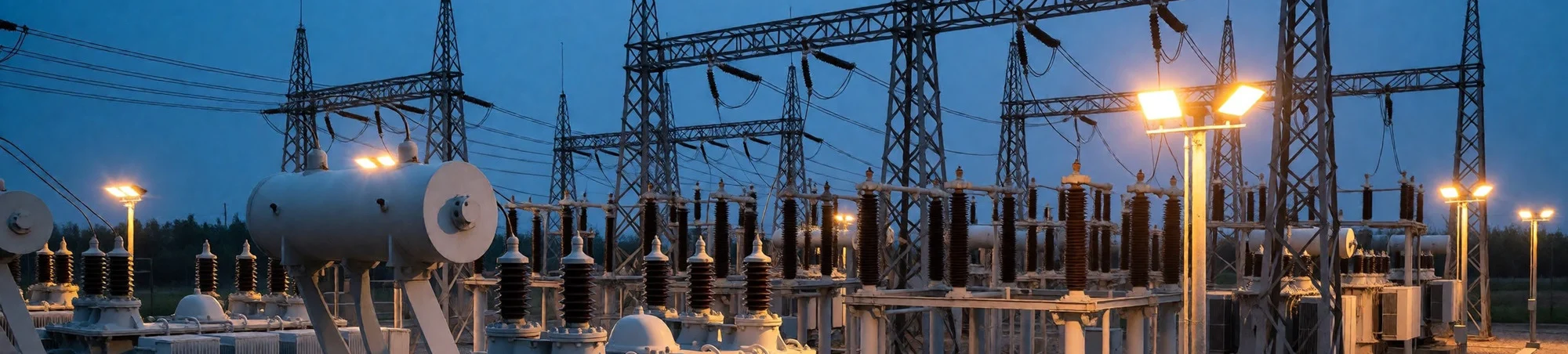
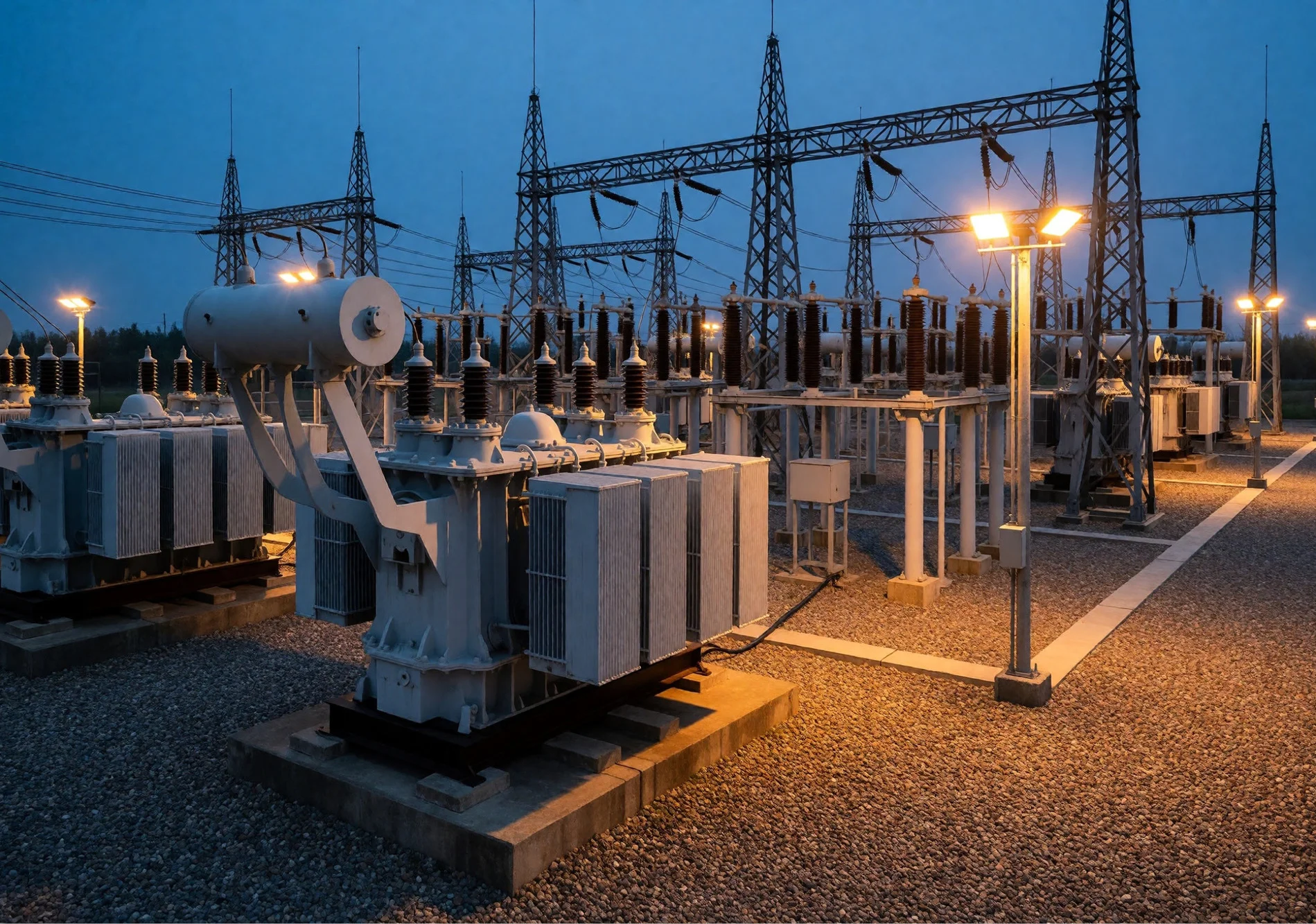
Designed to support site accessibility, movement, and equipment operation throughout the facility, substation lighting is provided by fixtures mounted on structures throughout the substation or on dedicated lighting poles. Lighting design is concentrated in four key areas where visibility is critical for personnel safety, equipment operation, and access throughout the site:
- Substation entrances provide safe access to and from the facility.
- Access roads allow safe vehicle and pedestrian traffic flow throughout the site.
- The substation yard provides general lighting for personnel working within the fenced area.
- Equipment operating locations, such as control cabinets and other areas where equipment is manually operated, require higher light levels to support safe operation.
Designing an Efficient Lighting System
Industry standards provide guidance on appropriate light levels needed throughout a substation.
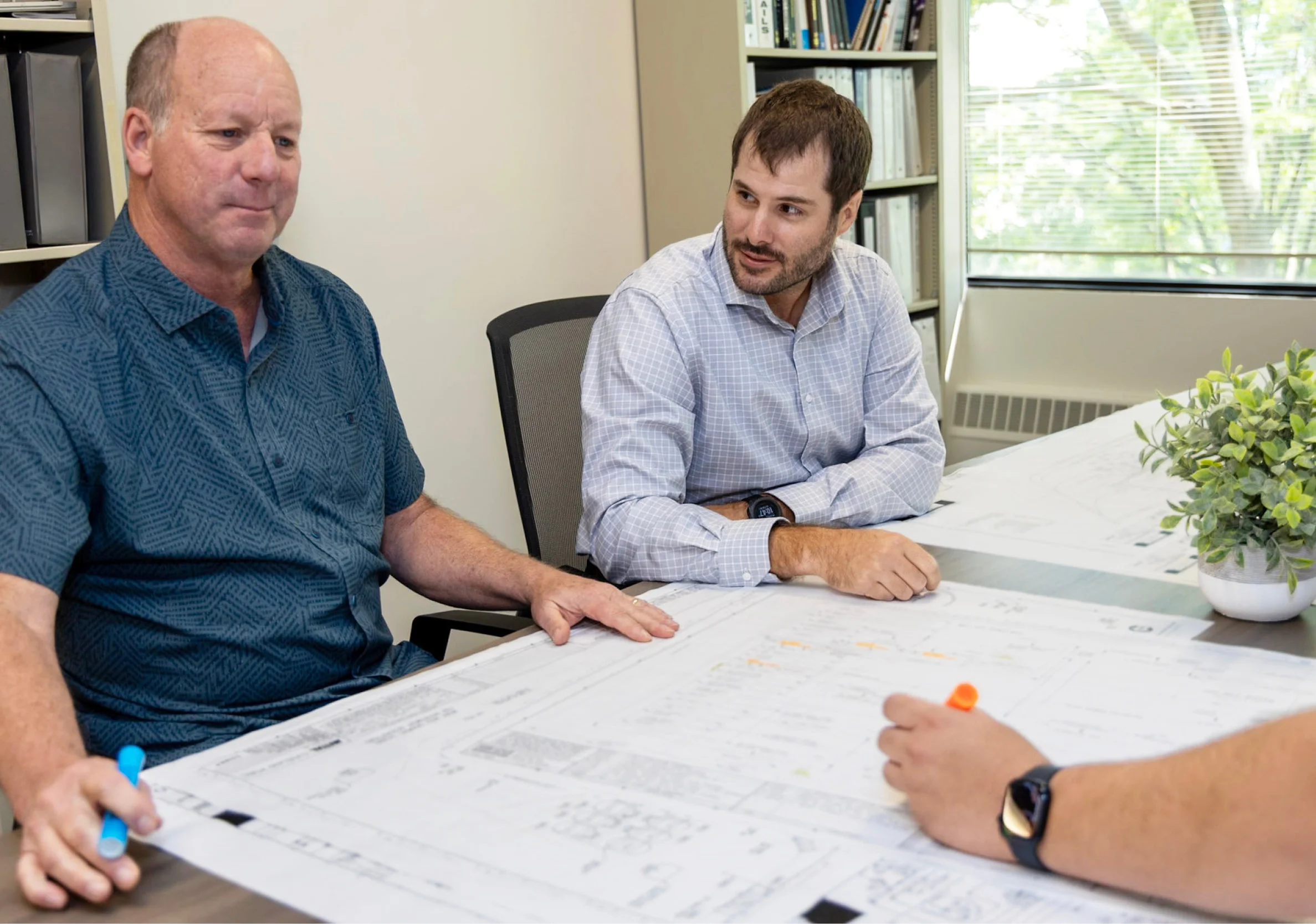
To verify that a lighting design meets these requirements, engineers perform a lighting study using specialized software, such as Agi32 and visual lighting. These studies evaluate how light is distributed across the site and help determine the best fixture locations and mounting heights.
The goal is to achieve the required lighting levels while minimizing the number of fixtures needed. An efficient design delivers adequate visibility without excessive brightness, supporting safe operations while reducing unnecessary costs. After all, we're lighting a substation, not an airport runway.
More Than Just Illumination
Lighting is an essential component of every substation design. Beyond illuminating the site after dark, it helps personnel safely access, operate, inspect, and maintain equipment whenever the need arises.
Proper lighting helps the on-site team safely complete these tasks while keeping critical infrastructure operating as intended.
Through lighting studies, substation design, and system evaluations, ISG's substation engineers and designers help utility and industrial clients create safer facilities that support reliable service for the homes, businesses, and communities that depend on the power grid every day.