A New Generation of Outdoor Courts: Post-Tensioned Concrete
If you manage a park system, school campus, or recreational organization, you already know the cycle of tennis, pickleball, and basketball courts: new build, resurface, watch the cracks return, field the complaints, and start budgeting for the next round of repairs. Some communities are beginning to ask a different question: Instead of continuously fixing asphalt courts, what if we built a court designed to last?
Post-tensioned concrete courts are becoming a compelling alternative, especially in heavy freeze–thaw climates due to the need for deep court pavement designed to withstand changes. ISG is actively designing post-tensioned court systems, educating clients, and presenting it as an option across school districts and park systems.
What Is a Post-Tensioned Concrete Court?
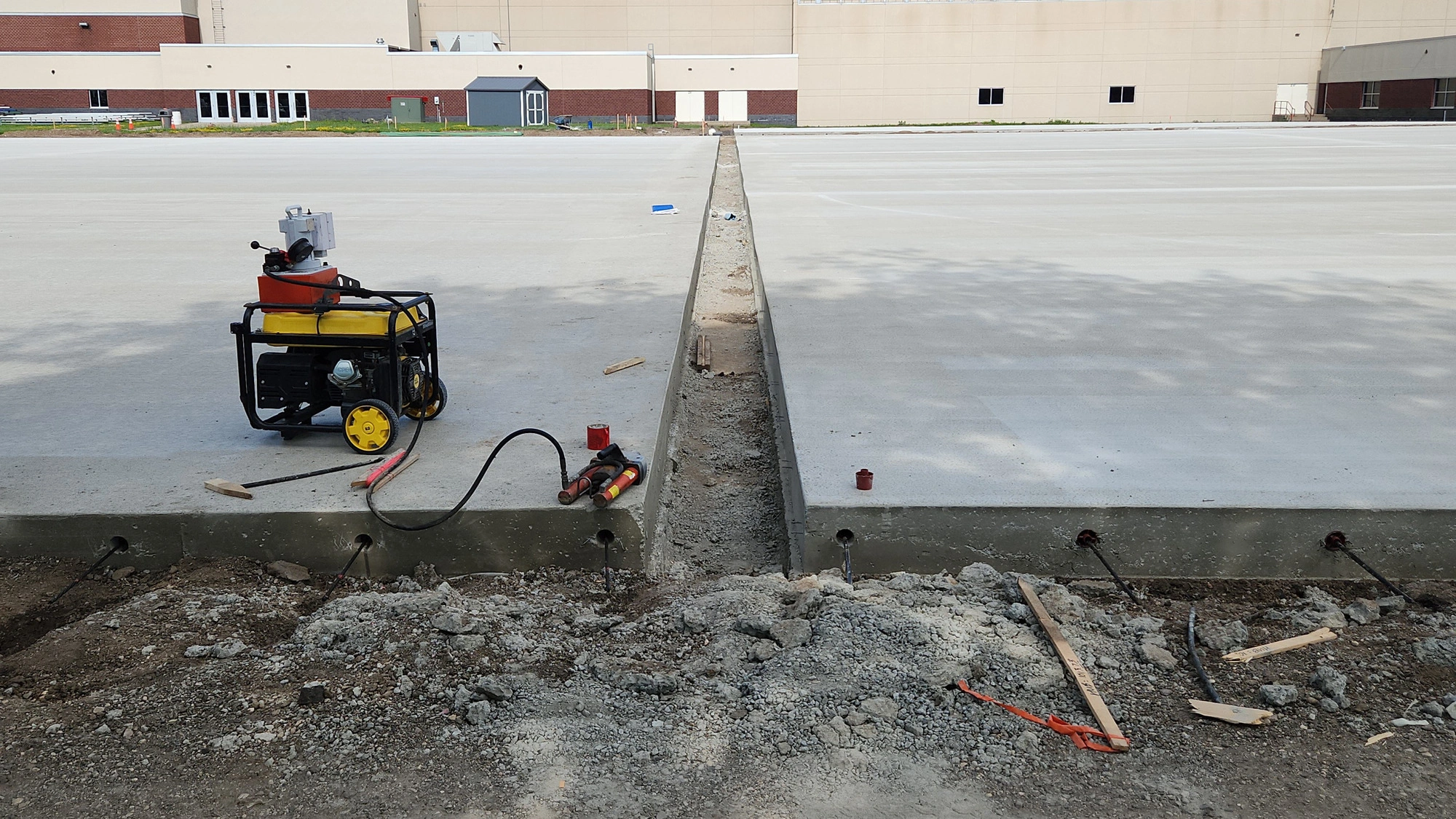
A post-tensioned court is a concrete slab reinforced with rebar, and high-strength steel tendons. After the concrete is poured, these tendons are tightened and then released, locking the slab with compression.
ISG Structural Engineering Group Leader Chantal Nack, PE described it: “It’s like stretching a rubber band, pouring the concrete, and then letting that rubber band go back to its original length. As it pulls, it compresses the concrete and keeps the whole slab tight, dramatically reducing cracking at the surface.”
Because the slab is held in compression, it is far more rigid and stable than asphalt. That rigidity helps it resist frost heave, settlement, and soil movement, which are persistent issues across the Midwest.
Post-Tensioned Versus Traditional Asphalt
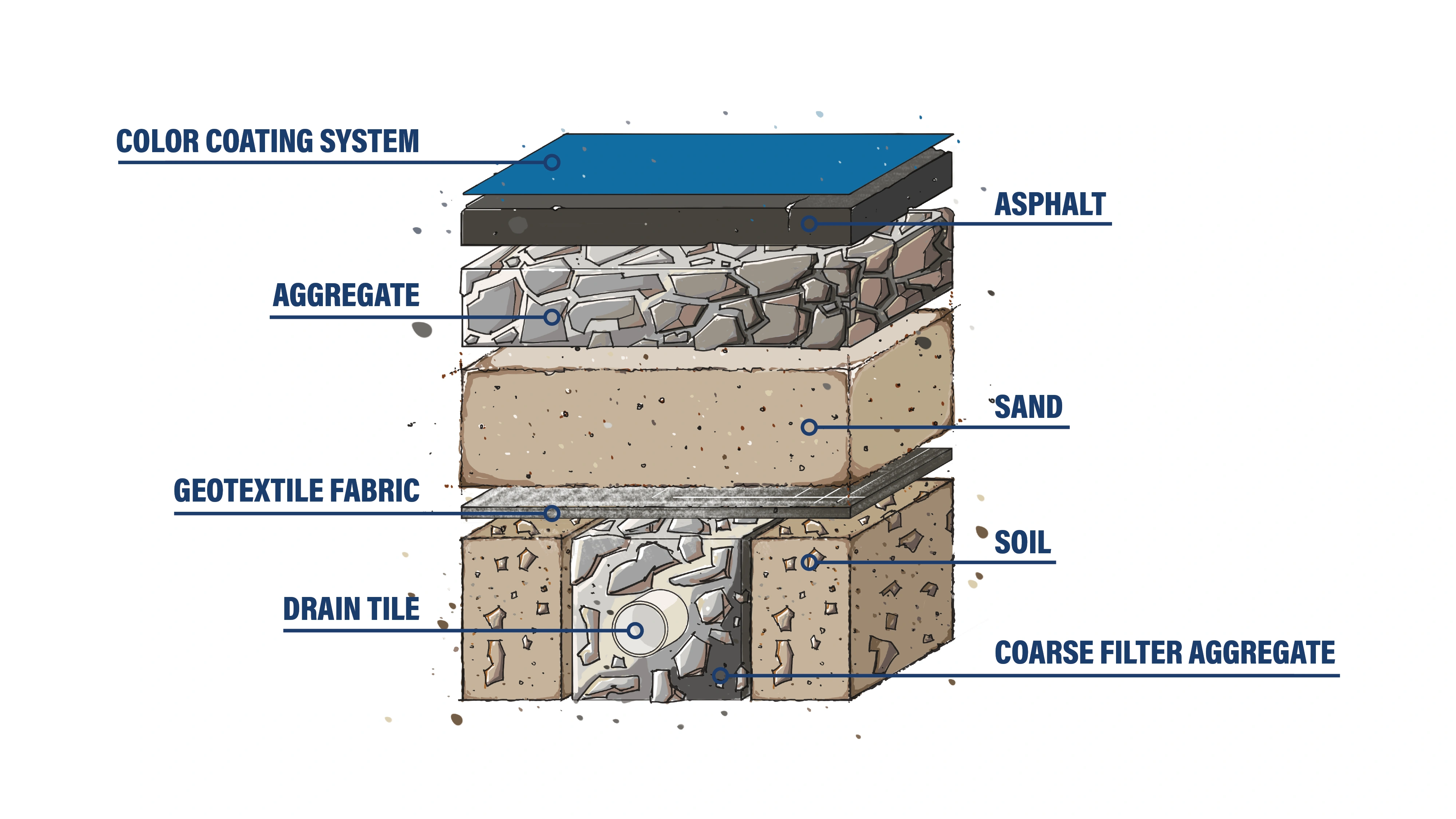
Traditional outdoor courts are built with asphalt placed over a deep granular base. A recent project example included:
- 3 inches of asphalt
- 9 inches of rock
- 3 feet of imported sand
- Drainage infrastructure
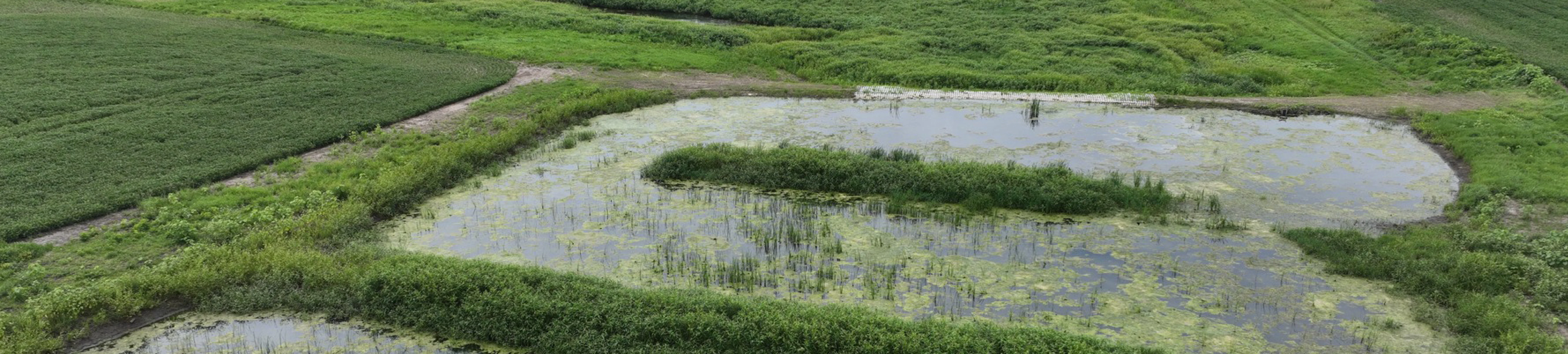
While all that material helps manage frost and moisture, asphalt is still a flexible surface; however, movement in the subgrade often results in cracks, dips, and uneven play.
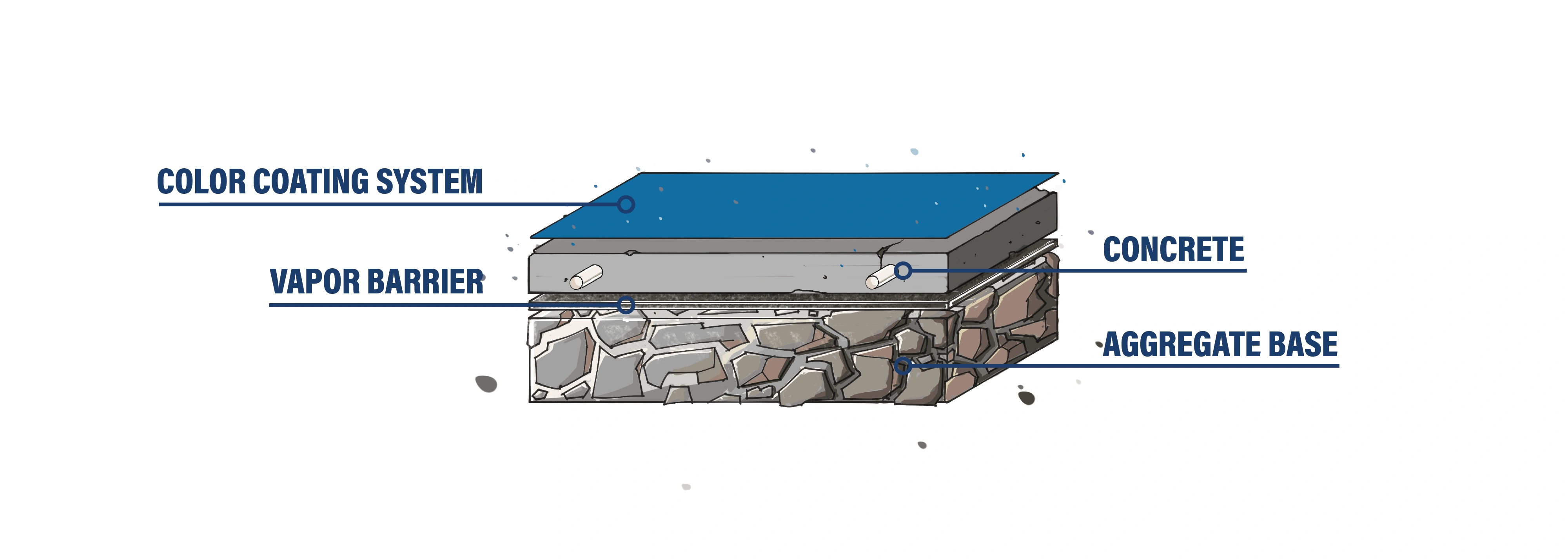
In contrast, a post-tensioned section ISG used on the Redwood Valley High School project consisted of:
- Nearly 5-inch post-tensioned concrete slab
- Less than a foot of rock base
Since the slab is rigid, it can span across minor voids or shifts in soil without telegraphing those movements to the surface. This difference is clear when comparing cross-section graphics: a thick, multi-layer asphalt section versus a simpler, more stable post-tensioned concrete system.
Real-World Application: Redwood Valley High School Tennis Courts, Redwood Falls, MN
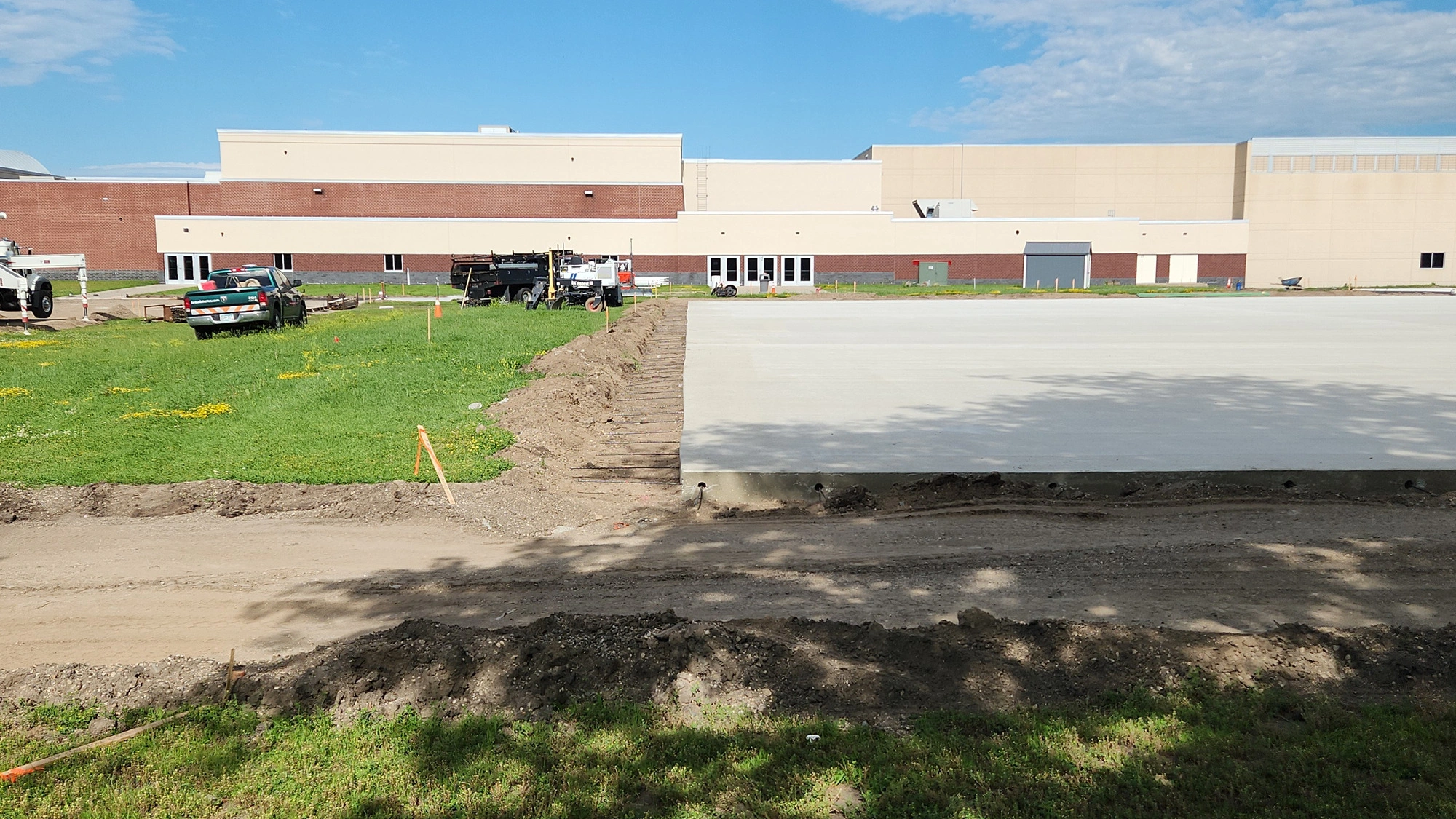
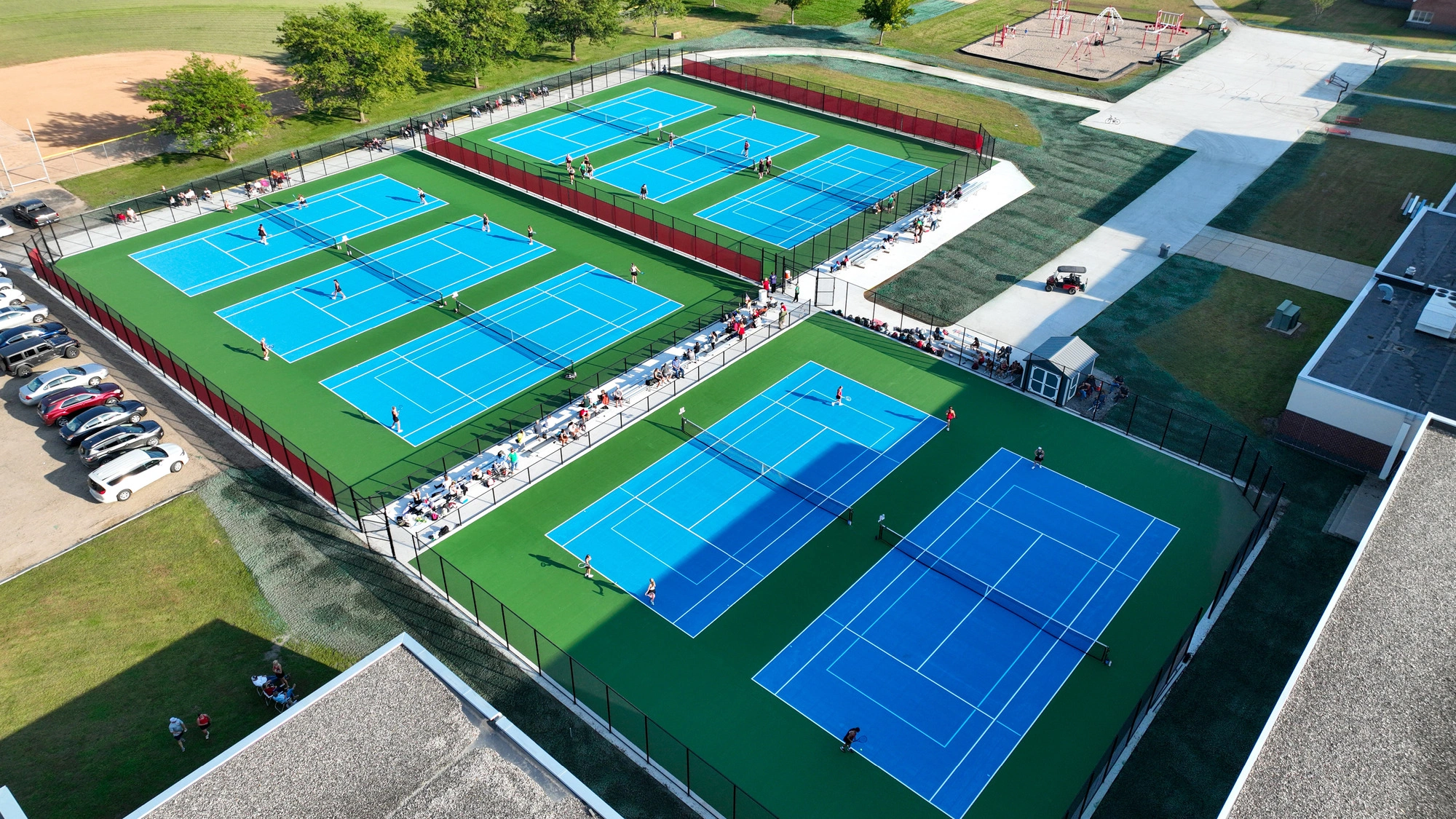
The benefits and value is why the Redwood Area School District in Redwood Falls, Minnesota selected post-tensioned concrete for full reconstruction of eight tennis courts. The District was experiencing ongoing cracking and surface deterioration due to subgrade movement and severe seasonal freeze–thaw cycles, which were issues that persisted even after resurfacing.
ISG evaluated long-term options and post-tensioned concrete emerged as the best-fit solution, offering:
- A structurally stable slab engineered to resist cracking
- Significantly reduced long-term maintenance
- Enhanced playability, consistency, and surface integrity
- A morepredictable lifecycle investment
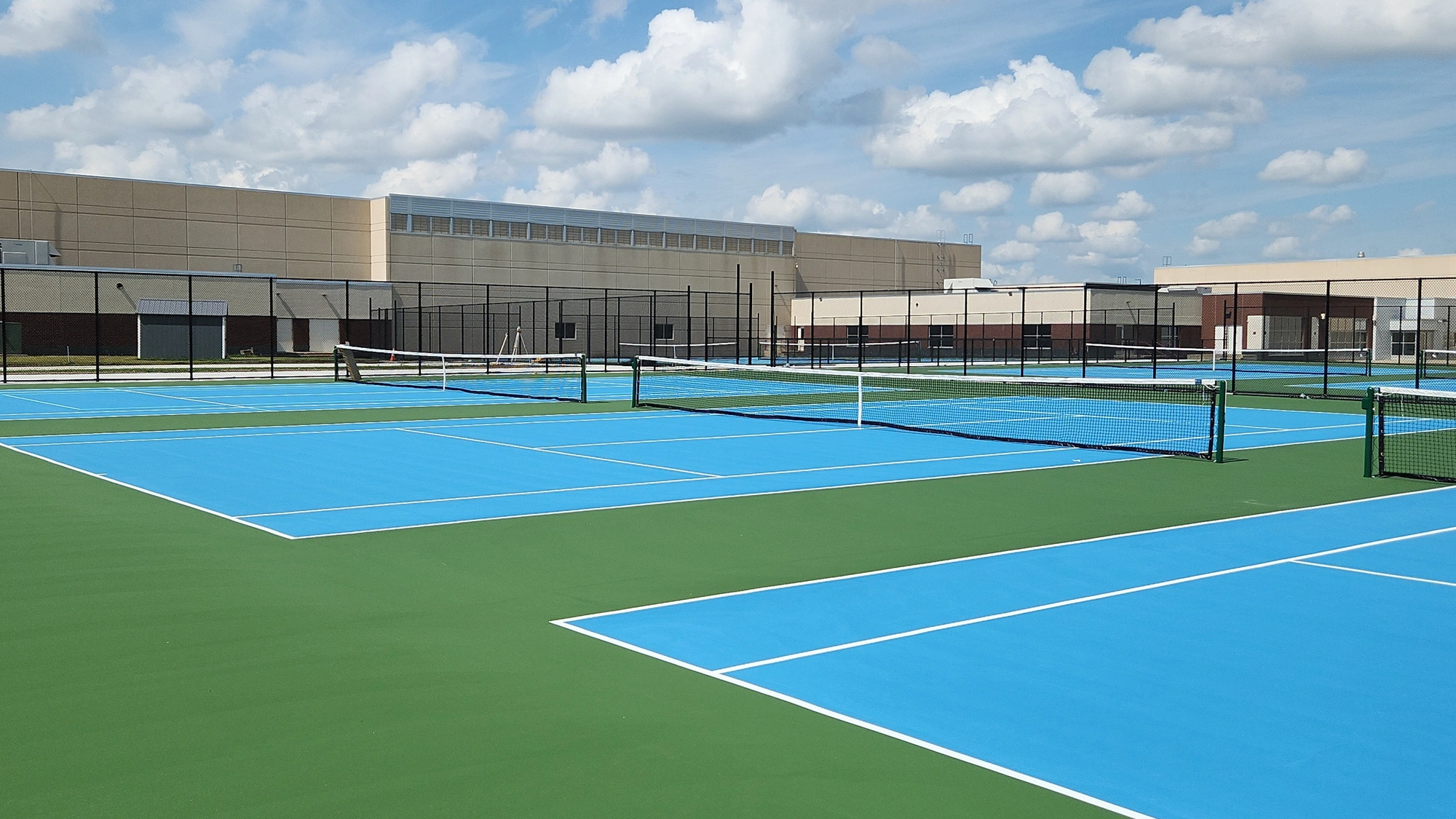
Completed in 2025, the new courts provide durable surface designed to support high school athletics, community use, and tournament play for decades to come.
Lifespan, Maintenance, and Downtime
From an operations standpoint, the biggest difference between asphalt and post-tensioned is not in how they are built, it is how they age. ISG engineers estimate asphalt courts typically last 5 to 10 years before cracking becomes a major concern again. On the other hand, post-tensioned courts can deliver over 30 years of performance with minimal structural maintenance, meaning fewer resurfacing cycles, less scheduling and use disruptions, and more predictable long-term budgeting.
For the Redwood Valley School District, the longevity and reduced maintenance burden was a key factor in choosing post-tensioned systems over another round of asphalt reconstruction. With post-tensioned systems, most maintenance needs only involve surface-level color coatings and line repainting.
Safety + Playability Improvements
Cracks, dips, and heaves are not just aesthetic, they can also create safety and performance issues, such as tripping hazards, uneven footing, dead spots, and unpredictable ball bounce. Post-tensioned concrete resists cracking over time, improves play and safety, and offers a smoother, more uniform surface. For communities investing in multi-sport complexes—tennis, pickleball, basketball, and more—this can be a big differentiator in user satisfaction.
Understanding Costs: Upfront Versus Lifecycle
While asphalt is less expensive upfront, its cost is heavily tied to extensive excavation and base preparation. In many cases, preparing the subgrade accounts for the majority of the investment.
Post-tensioned courts may cost more on the front end, but the benefits can shift the long-term costs. Over the lifecycle of a court, post-tensioned systems can offer lower maintenance costs, fewer resurfacing cycles, and a much longer service life, providing more predictable future planning.
Why Post-Tensioned Is Gaining Momentum Now
Post-tensioned is not new, it is proven system design that has been used in structures like parking ramps, bridges, and high-rises for decades.
In recent years, it has become more common in exterior sports courts, especially in climates where frost heave and subgrade instability are constant challenges. Communities continue to face tighter budgets and higher expectations for longevity and user experience. More stakeholders are looking for systems that solve problems for decades, not just for the next season. Post-tensioned concrete courts give communities a way to invest with confidence and deliver a surface that handles real-world conditions and heavy use.
Visit our Sports + Recreation page to learn more.