The Safety System Beneath Every Substation
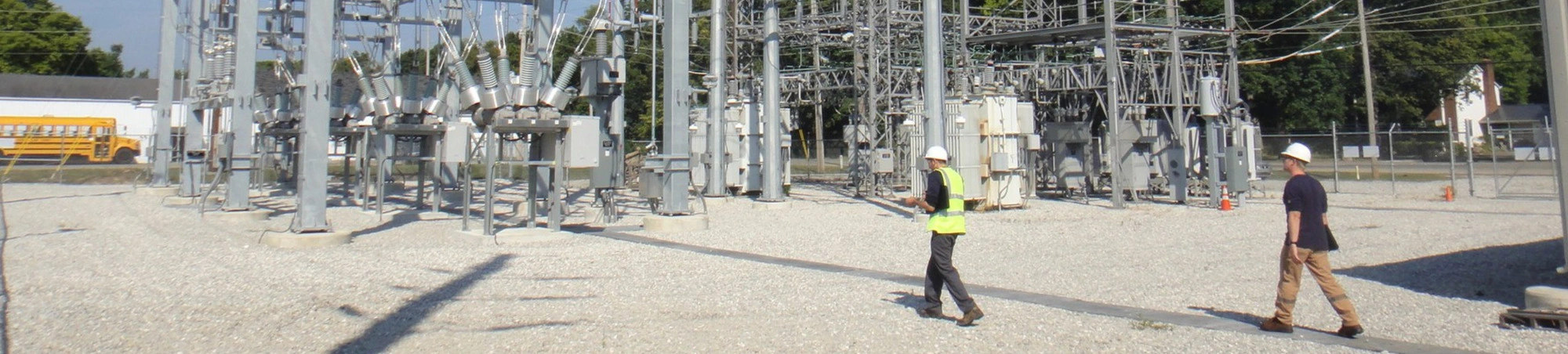
One of the most important safety systems in a substation is also one of the least visible. Buried beneath the surface, a grounding system protects workers, contractors, and the public from potentially dangerous voltages during faults, lightning strikes, and equipment failures.
While transformers, steel structures, and high-voltage equipment often draw the most attention, the grounding system is working behind the scenes to support safe and reliable substation operations.
What Is a Grounding System and Why Does It Matter?
A substation grounding system is a network of buried conductors, ground rods, and bonded equipment that provides a safe path for electrical energy to dissipate into the earth. Although hidden below ground, it is one of the most important safety features within a substation. During electrical faults, lightning strikes, or equipment failures, the grounding system helps direct fault current safely into the earth, limiting dangerous voltage differences that could create shock hazards. By protecting utility personnel, contractors, and the public while supporting reliable electrical service, the grounding system plays a critical role in the safe operation of the facility.
Evaluating Grounding Performance
To evaluate risks, substation engineers perform grounding studies using specialized software such as WinIGS and CDEGS. These studies analyze soil conditions, fault currents, and system behavior to determine whether a grounding design meets established safety criteria.
Key measurements include:
- Touch potential: The voltage a person could experience while touching grounded equipment.
- Step potential: The voltage difference between a person's feet while walking across the site during a fault condition.
Both values must remain within established safety limits to reduce the risk of electrical shock.
When Improvements Are Needed
When a grounding study identifies concerns, engineers and designers can implement solutions such as:
- Expanding the grounding grid with additional buried conductors
- Installing additional ground rods
- Incorporating ground wells in challenging soil conditions
- Increasing the thickness of the crushed rock surface layer
These improvements help manage voltage gradients and improve safety for personnel working within or around the substation.
The Invisible Safety System
While a grounding system is rarely visible after construction is complete, it remains one of the most critical safety components within a substation. A well-designed system protects people, supports reliable operations, and contributes to the long-term performance of the electrical grid.
Through grounding studies, substation design, and system evaluations, ISG's substation engineers and designers help utility and industrial clients understand risks, improve safety, and support reliable service for the employees, businesses, and communities that depend on the power system every day.
.webp)

Related Articles



Community Development Plans: Strengthening the Foundation for Deeper Connections
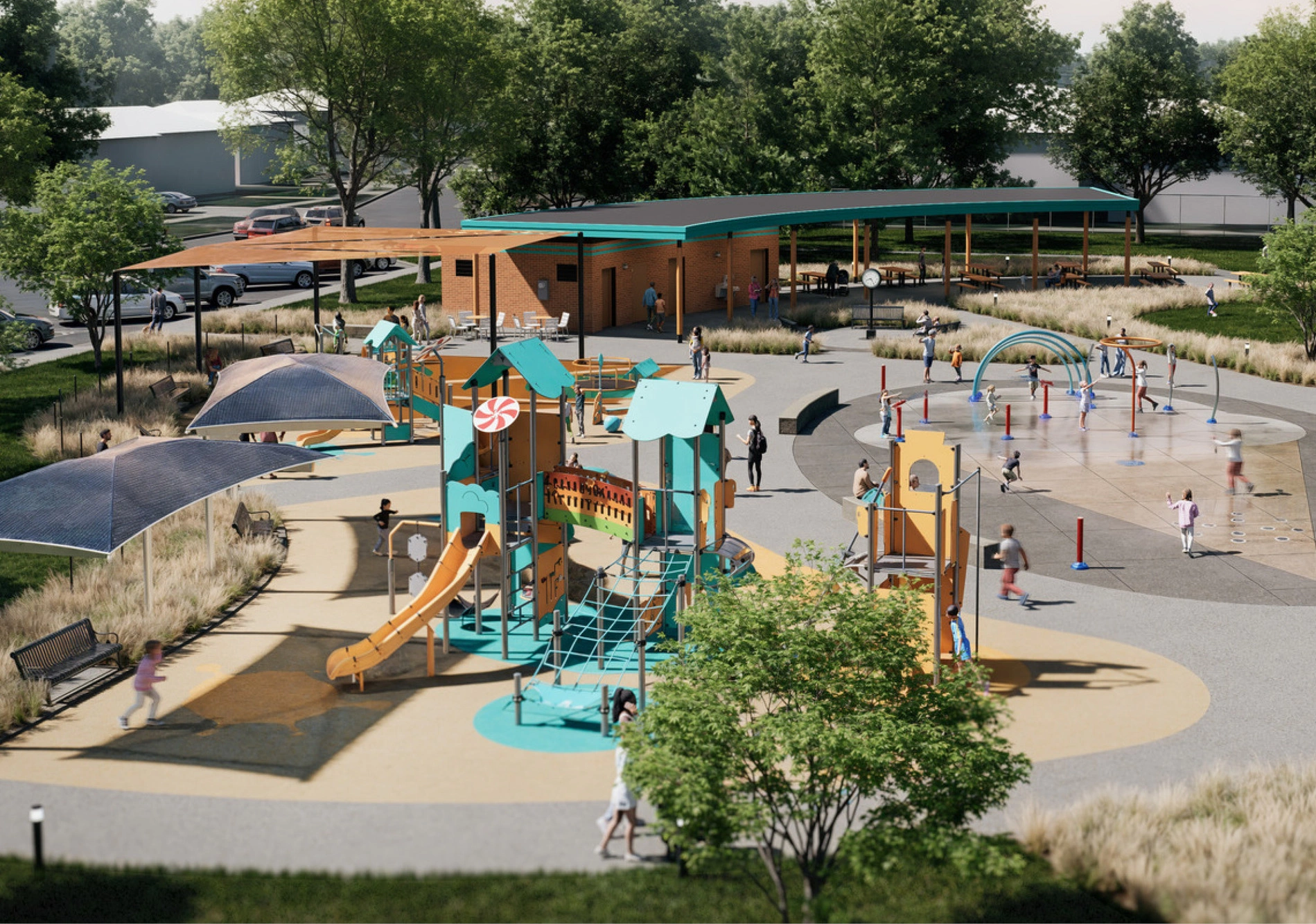
For a community to evolve into a quality place to live, work, and explore, it starts with a vision. ISG's Planning Group helps bring visions to reality through a strategic process that results in an actionable, and holistic plan, also known as a Community Development Plan (Plan).

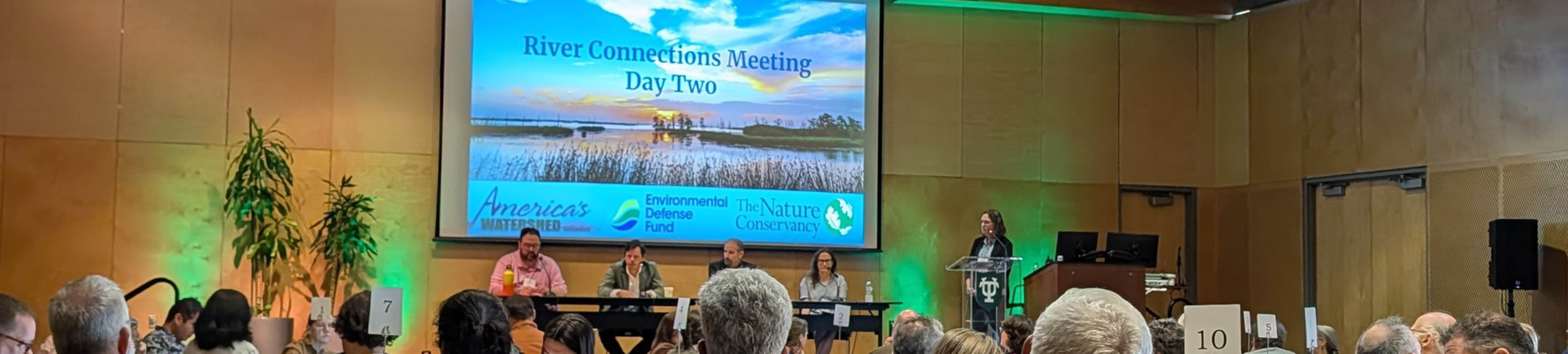

Five Takeaways from River Connections: A Science + Strategy Workshop for the Mississippi River Watershed
Science and Strategy Workshop for the Mississippi River Watershed, hosted by Tulane University in partnership with America’s Watershed Initiative and The Nature Conservancy, brought together practitioners from across the 31-state Mississippi River Basin to explore how research, policy and implementation are aligning to address shared challenges.