Not A Desk Job: Utility Coordination in Motion
Not a Desk Job Series | Christian Kapanke
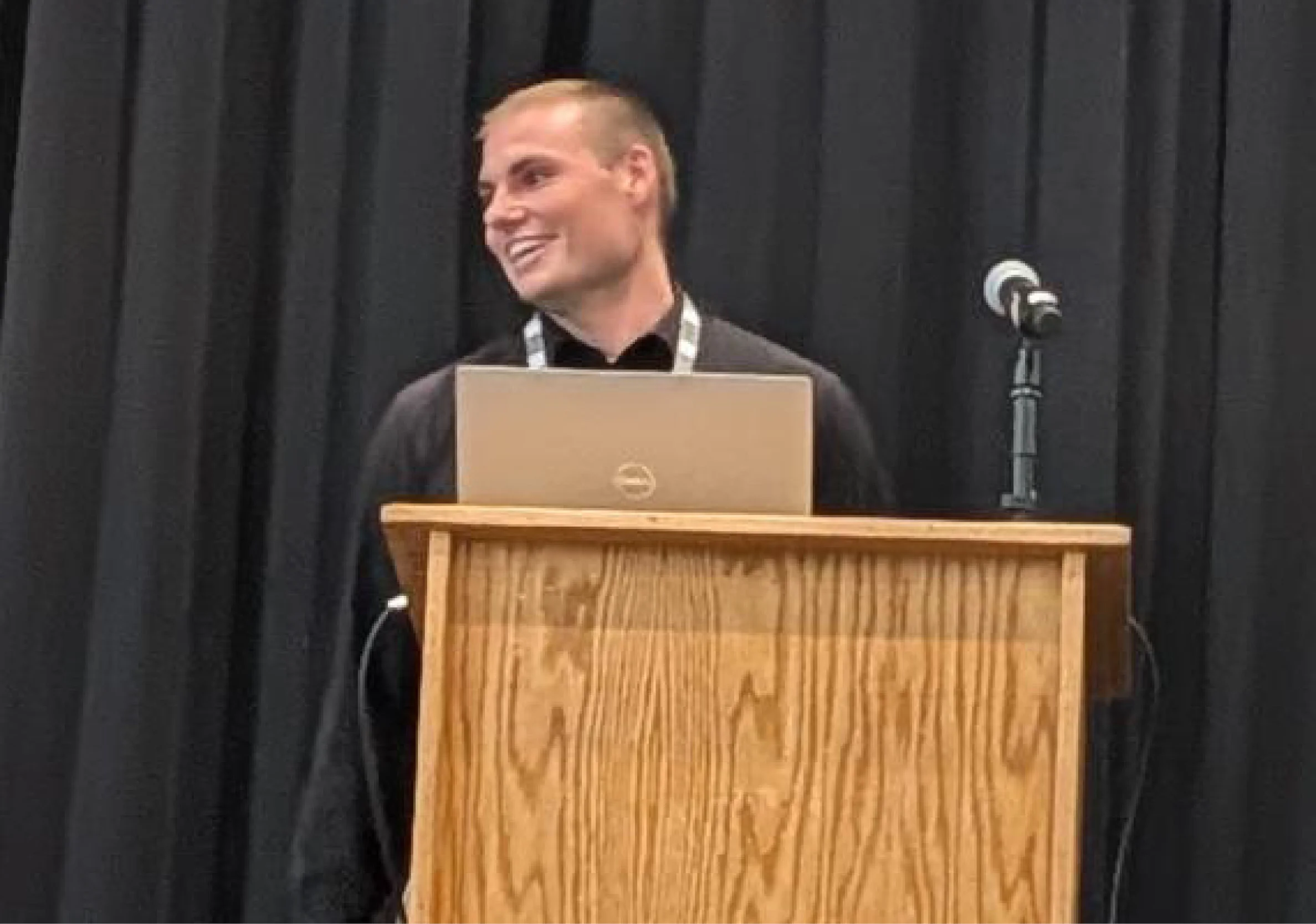
University of Wisconsin-Platteville alum’s path from military machinery to multi-million-dollar infrastructure proves that careers are built in the field.
_webfull.webp)
Some engineers discover their calling in textbooks or design labs. For Christian Kapanke, it was the daily drive past the I-90 Dresbach Bridge reconstruction during high school. That massive project, humming with machinery, planning, and purpose, planted the seed for a future in transportation engineering. It wasn’t just about building roads. It was about shaping how people move, live, and connect.
That early inspiration led him to pursue engineering, but it also made one thing clear: he didn’t want a future confined to a desk. He wanted to be where the work was happening—on-site, in motion, making real-time impact.
Always Ready, Always There
Christian’s approach to engineering reflects the same mindset he honed in the Wisconsin Army National Guard: show up, stay prepared, and solve problems in real time. As a horizontal engineer, his role involved operating heavy equipment on active job sites, gaining first-hand experience with the tools, terrain, and teamwork. That boots-on-the-ground role shaped his understanding of how job site’s function, how contractors think, and how to adapt when plans meet reality.
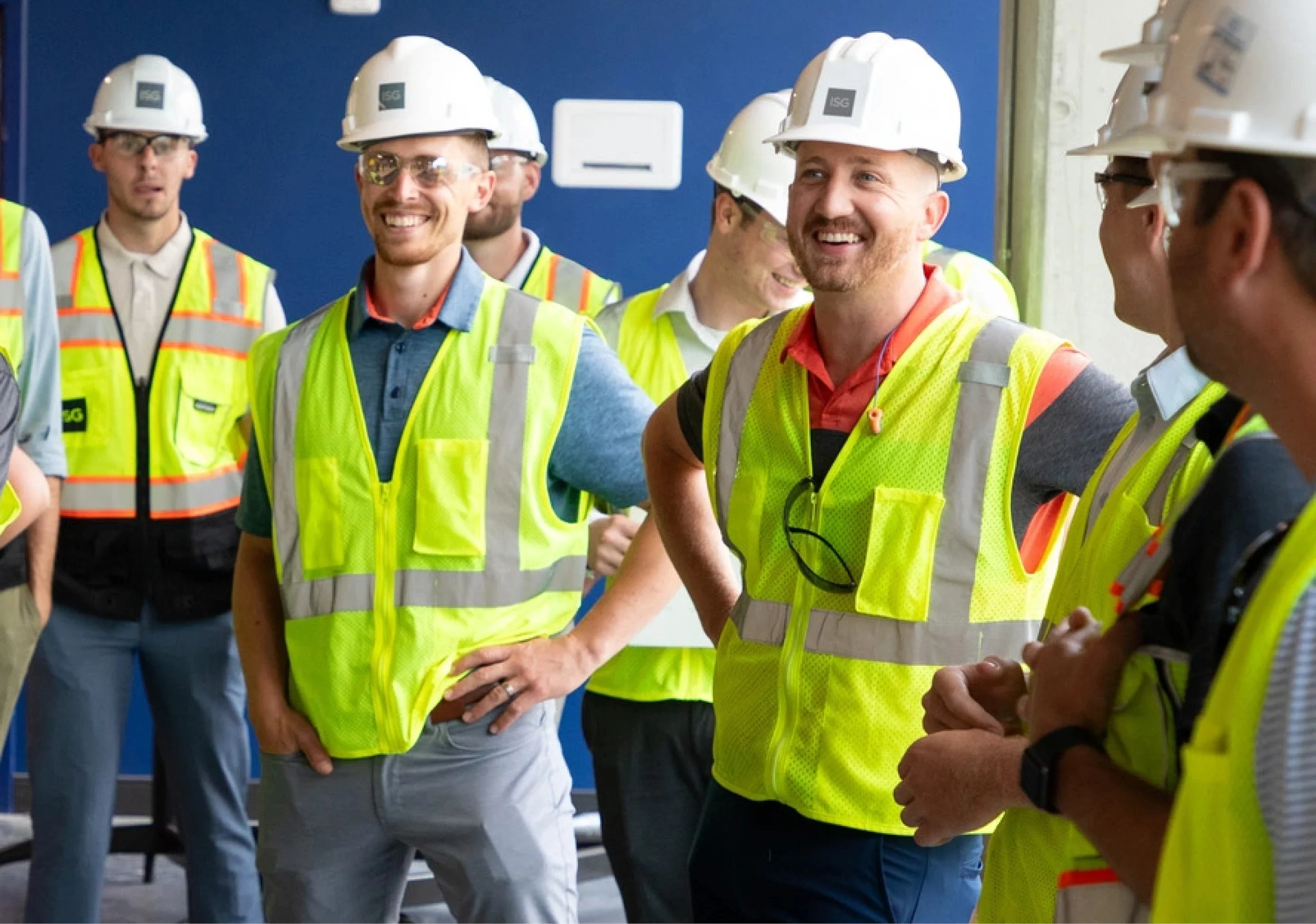
While studying civil engineering at the University of Wisconsin–Platteville, and balancing Guard service, Christian still found time to complete three consecutive summer internships with ISG’s transportation team. That level of discipline and drive didn’t go unnoticed. From the start, he was entrusted with real responsibility: coordinating with contractors, managing active work zones, and analyzing plan sheets. During one early project, he was entrusted with being the only daily construction oversight, an experience he calls one of the most valuable learning moments in his career.
Those summers weren’t about fetching coffee or pushing paper. Thanks to strong mentorship from ISG construction leaders and a culture that values hands-on learning, Christian grew rapidly in his understanding of transportation, construction, and client coordination. By the time he graduated in 2023, he wasn’t just ready to join the team, he was ready to take ownership as a graduate engineer.
Leading Utility Coordination on a Billion-Dollar Corridor
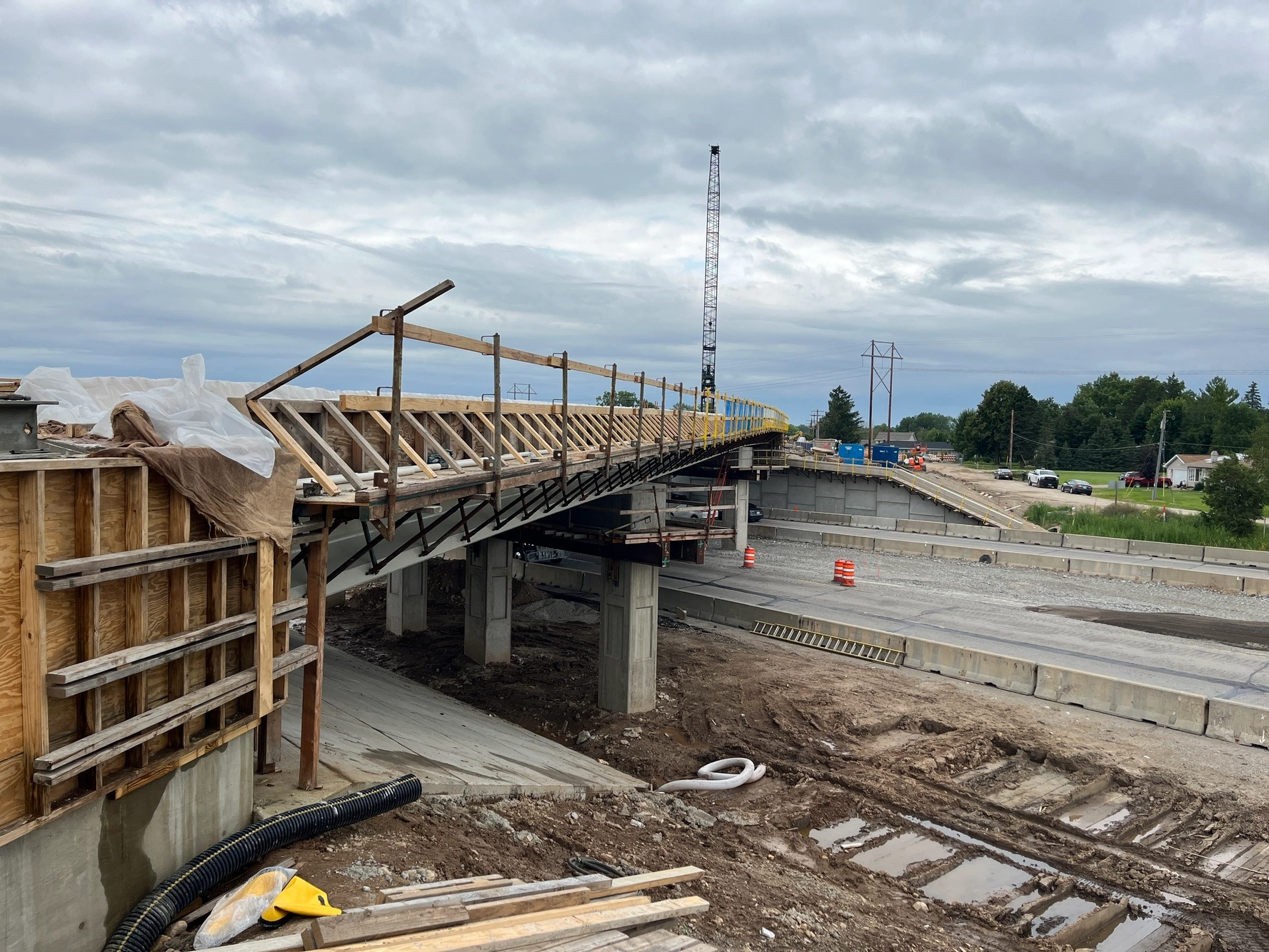
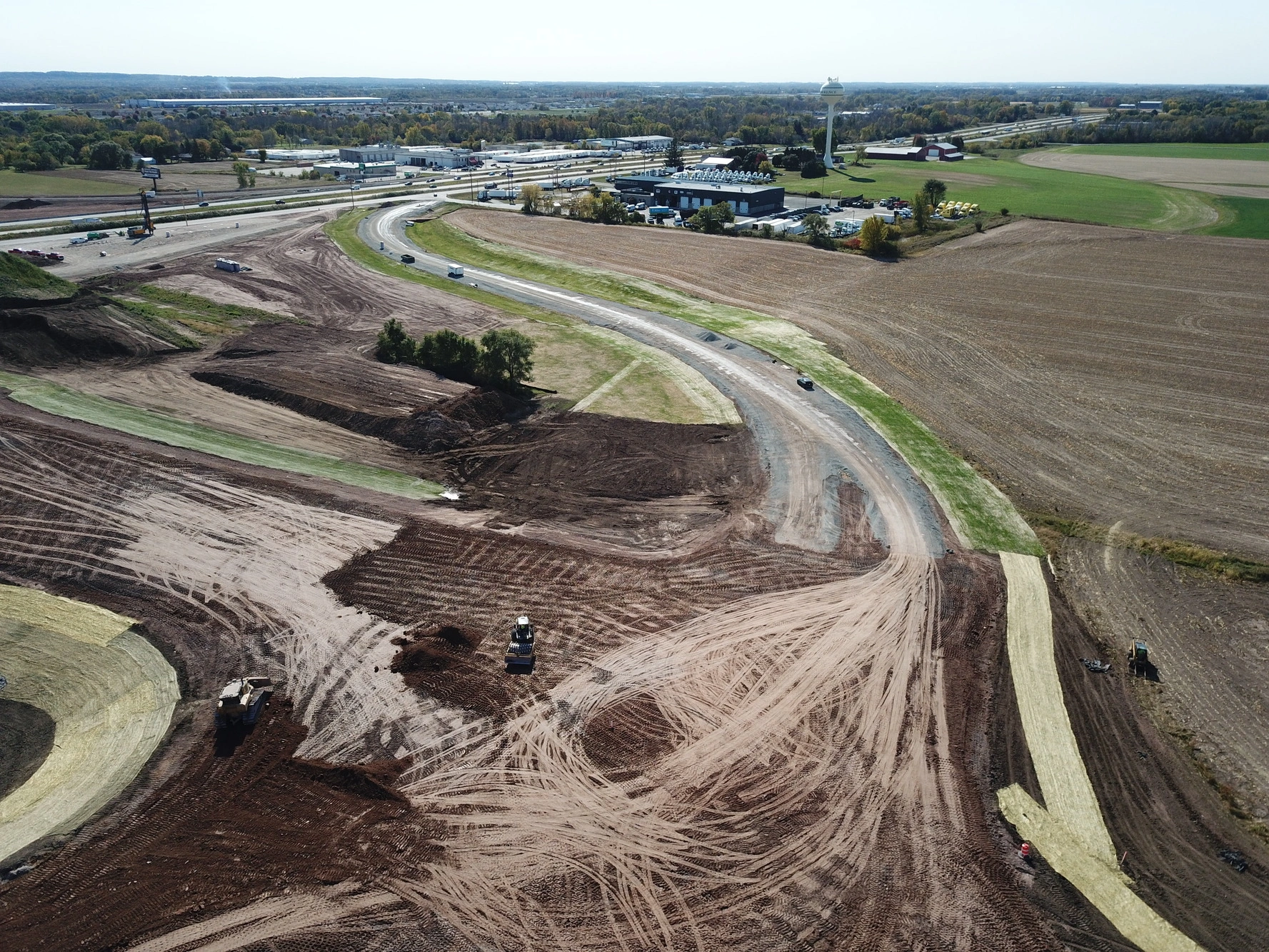
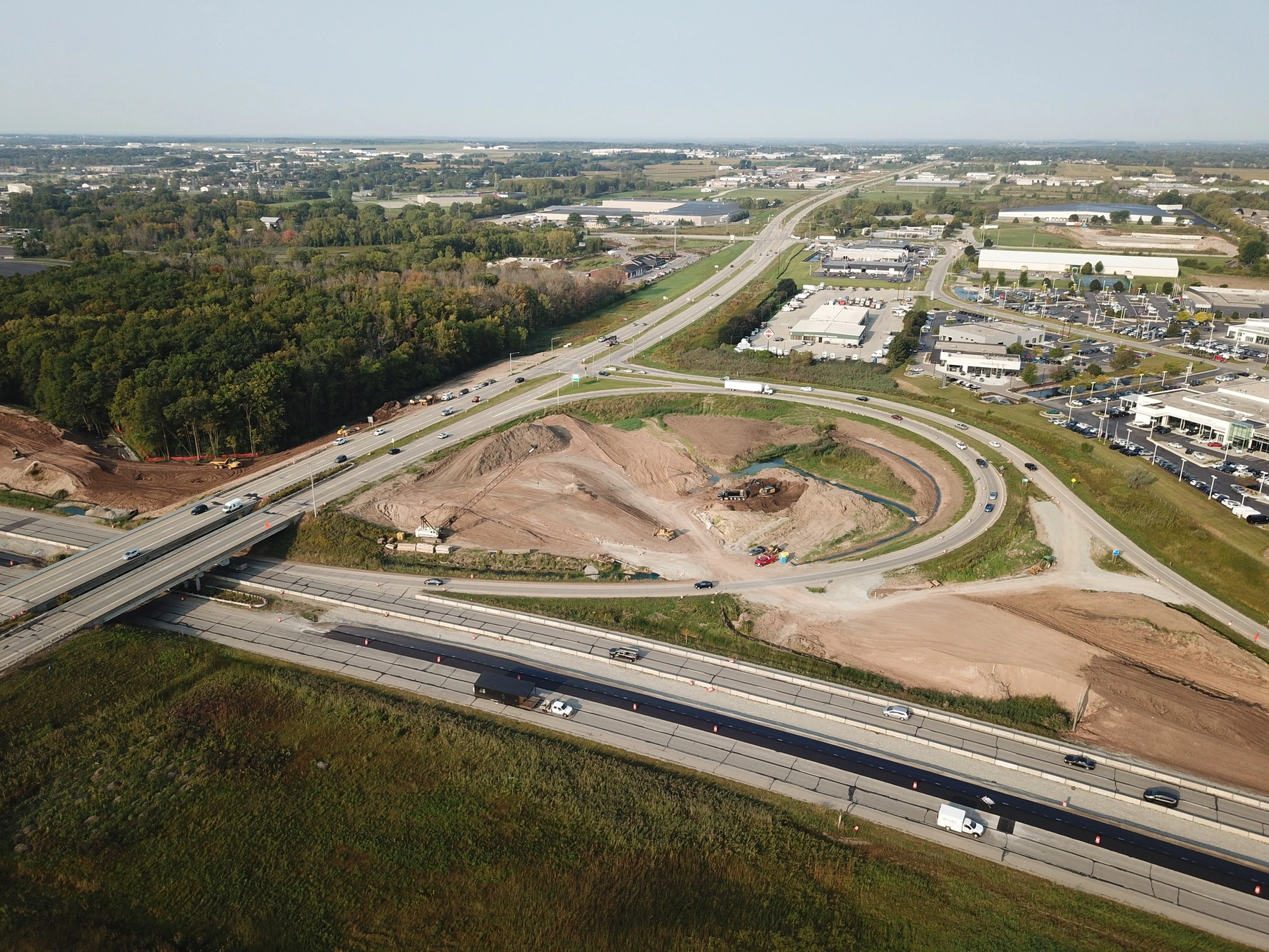
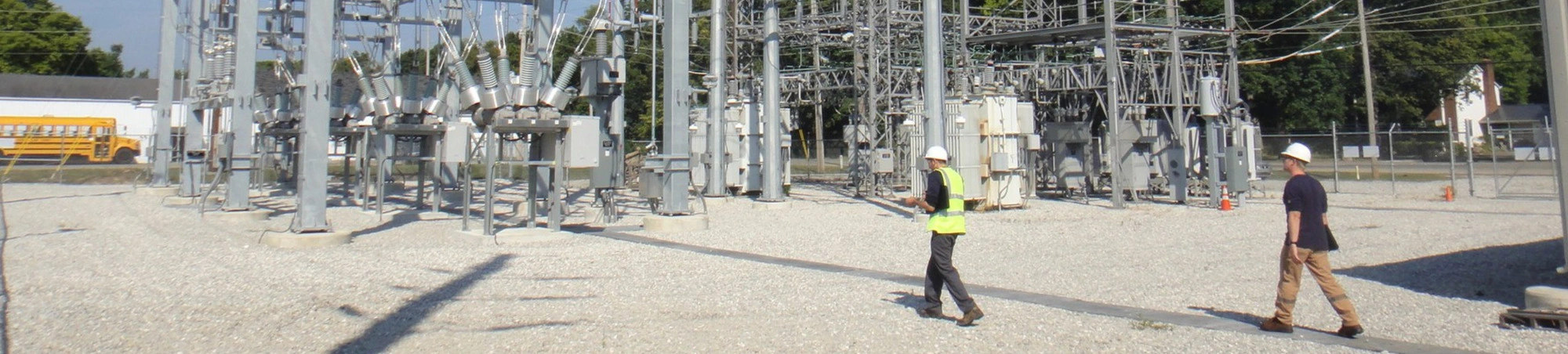
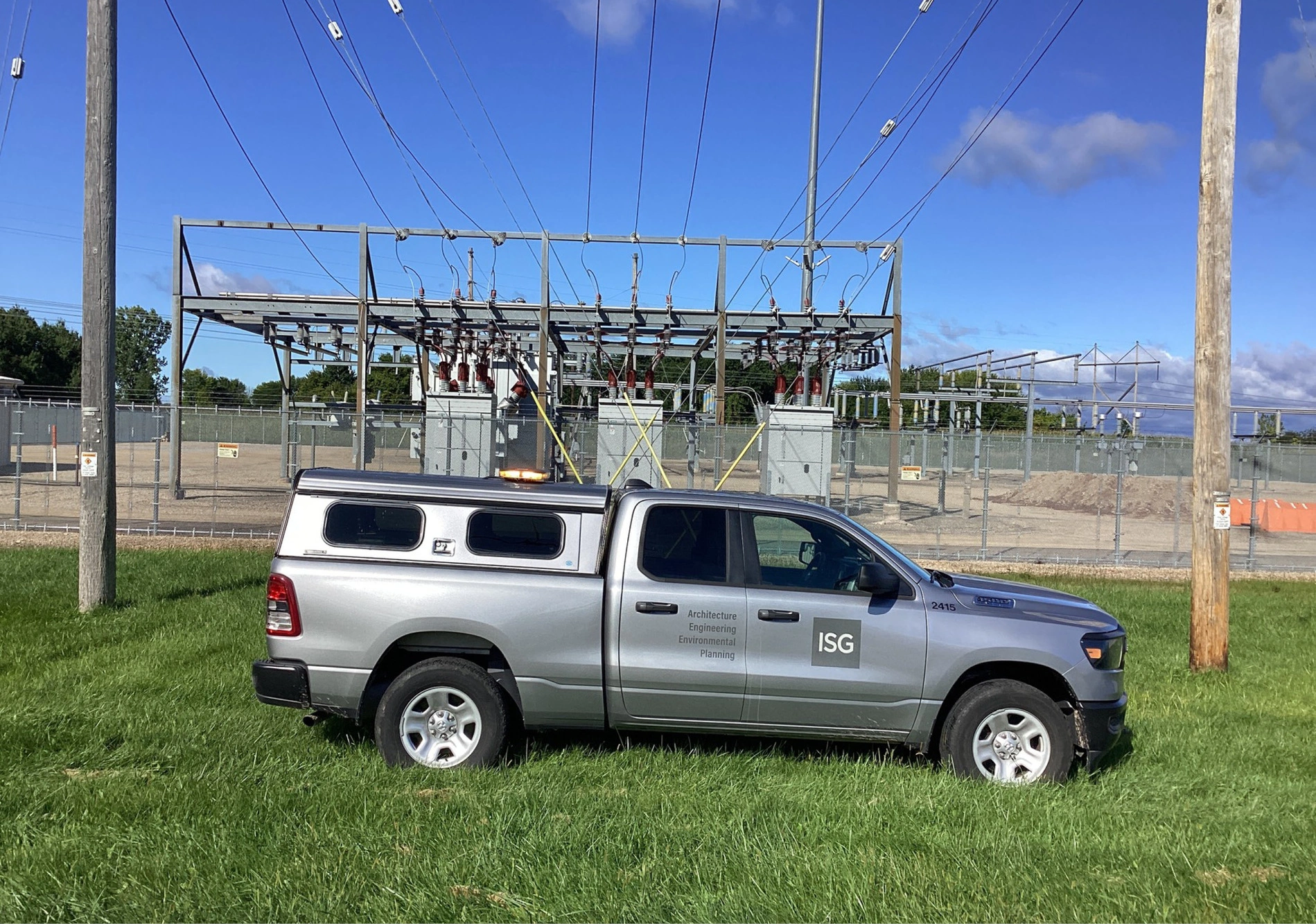
Today, Christian plays a key role in utility coordination on the I-41 corridor project, one of the largest infrastructure efforts in the Wisconsin Department of Transportation Northeast Region. His role focuses on proactive planning—identifying potential utility conflicts, whether underground or overhead, in the path of proposed construction. He then coordinates with utility providers to manage necessary facility relocations, ensuring the project stays on schedule without unexpected delays.
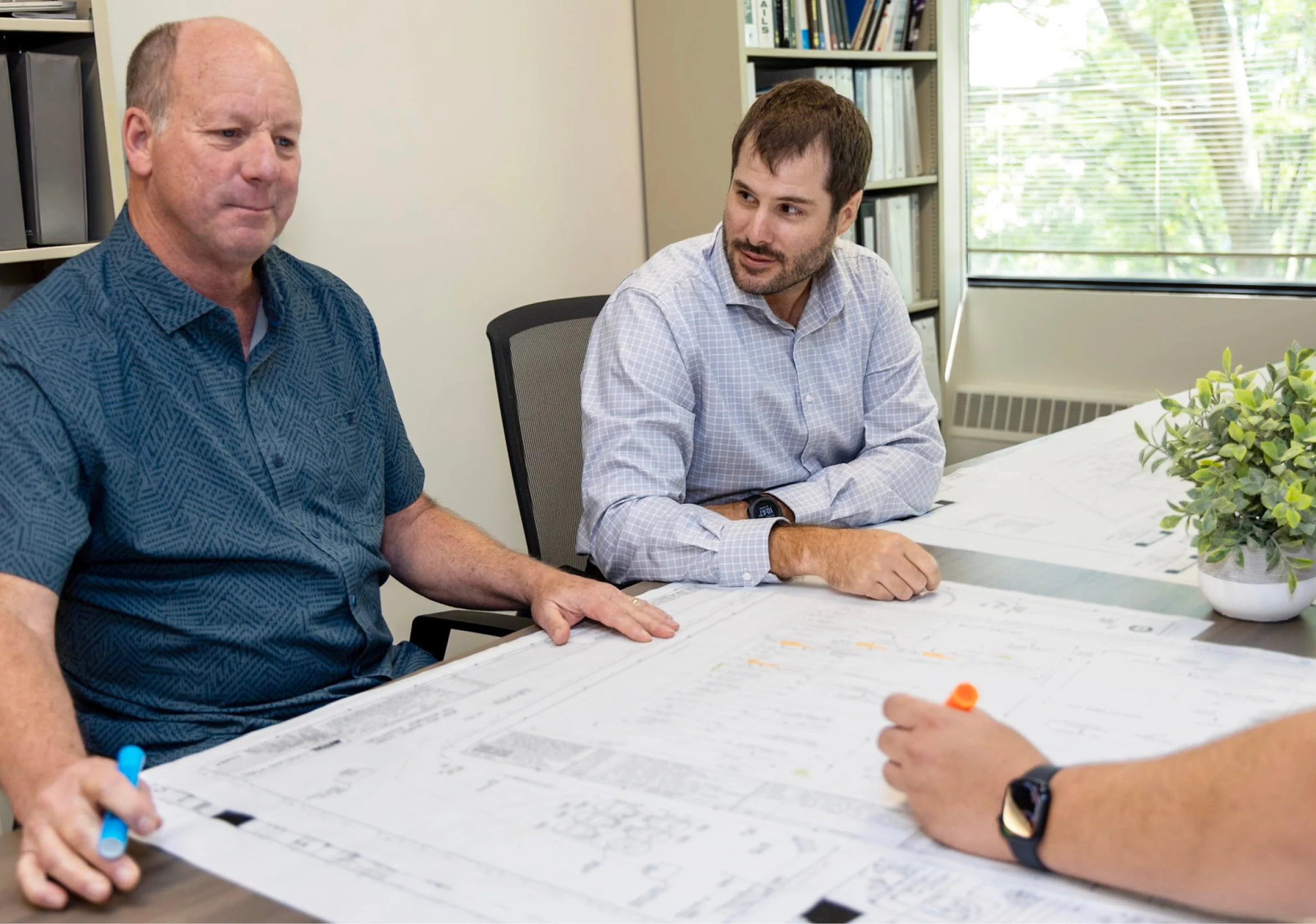
From there, Christian balances evaluating existing and proposed site conditions with coordinating calls involving dozens of utility companies and designers. Since the timeline is set by the DOT, it’s his responsibility to work closely with utilities to ensure all work aligns with the Plans, Specifications, and Estimates (PS&E) deadline. This often includes communicating recommended changes to the roadway designers to avoid or minimize conflicts. Each provider has its own priorities and challenges, so his job is to keep everyone aligned and moving forward. Whether he’s reviewing project limits on-site or guiding a utility crew through a relocation plan, Christian’s work ensures construction stays on track and helps prevent costly delays.
No two days look exactly the same, but they all share one goal: preventing surprises that could delay construction and ensuring essential services—like power, water, and internet—stay uninterrupted for the community. In short, Christian is the connection between design, construction, and the utility companies who keep our modern lives running.
Field Tested, Future-Ready
Christian isn’t chasing titles; he’s chasing impact. With a future goal of earning a professional engineering license (PE) and contributing to a billion-dollar project already under his belt, he’s gaining the kind of experience that can’t be taught in a classroom. He has gone from field intern to utility coordination lead, solving problems before they reach the job site.
Surrounded by a team that values mentorship and drive, Christian is sharpening the skills that will shape him into a future project leader. And with each mile of I-41, he’s proving that real engineering doesn’t sit still—it moves forward.