Five Takeaways from River Connections: A Science + Strategy Workshop for the Mississippi River Watershed
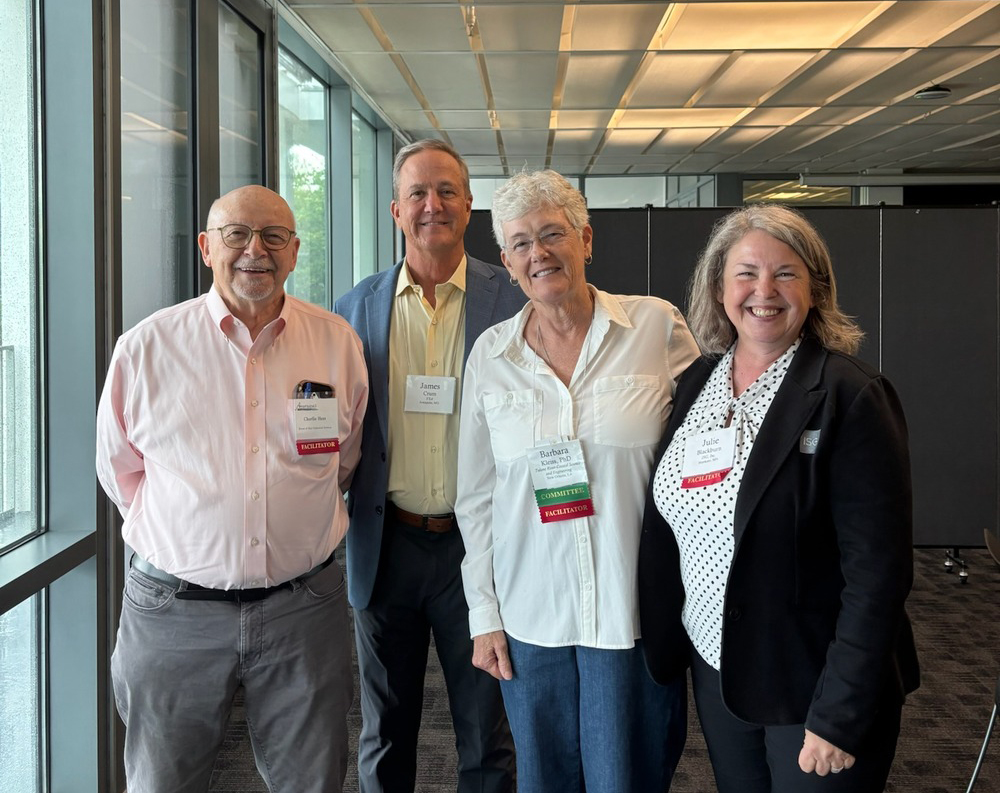
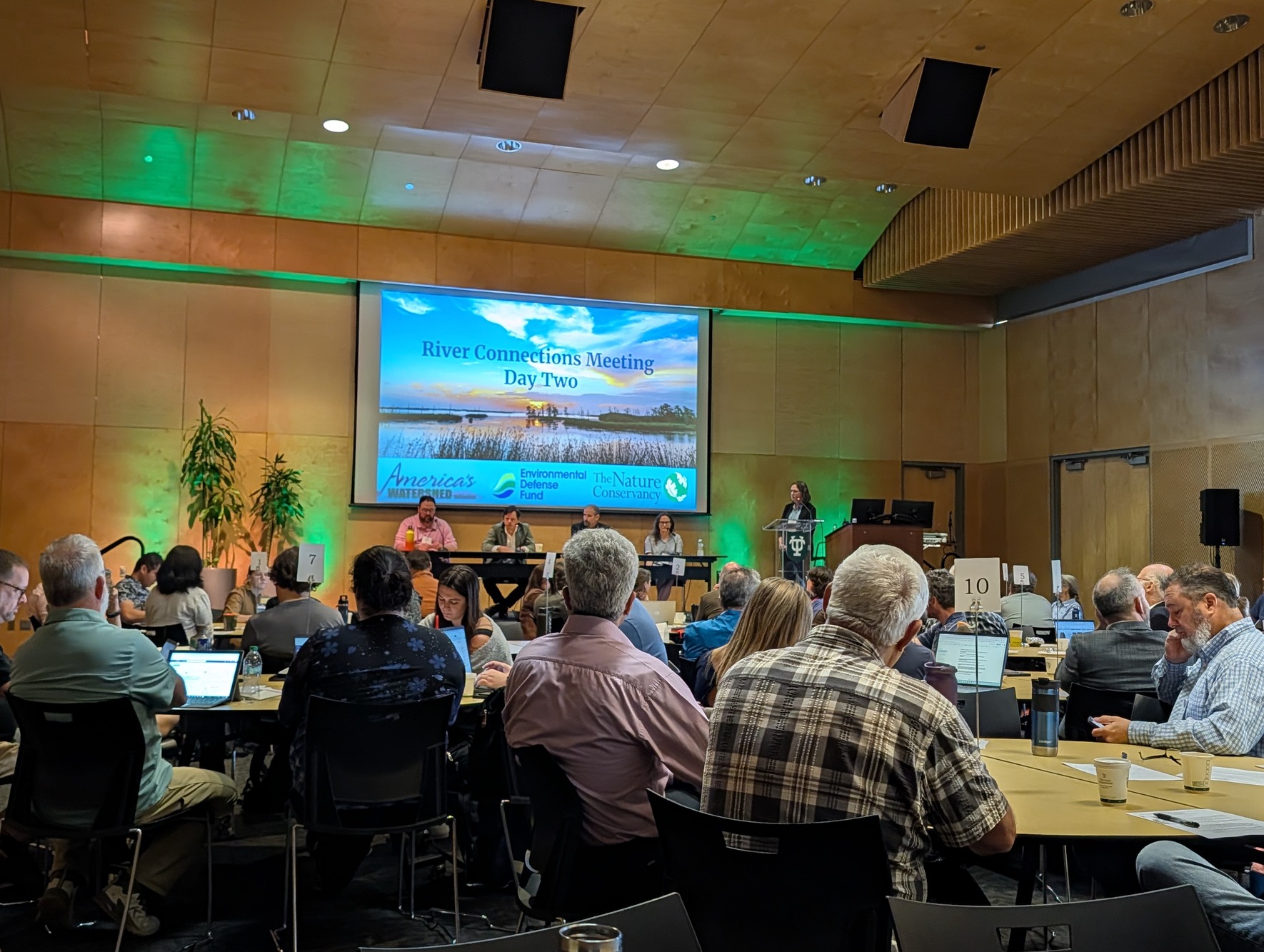
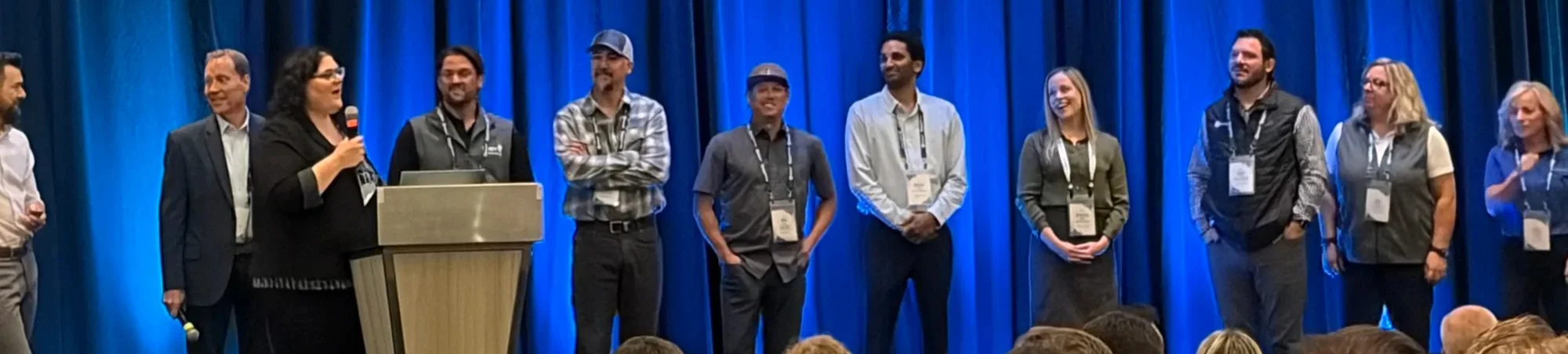
River Connections: A Science and Strategy Workshop for the Mississippi River Watershed, hosted by Tulane University in partnership with America’s Watershed Initiative and The Nature Conservancy, brought together practitioners from across the 31-state Mississippi River Basin to explore how research, policy and implementation are aligning to address shared challenges. Read on for ISG’s key takeaways from the workshop.
1. A shared basin requires a shared perspective
Across the Basin, priorities vary depending on geography, economy, and community needs. Upper Basin communities often focus on recreation and water quality, while lower Basin communities tend to focus on navigation and trade. In these regions, river conditions directly influence economic activity. Low water levels can disrupt barge traffic and supply chains with significant economic impacts. These differences shape how communities define risk, value, and investment priorities.
Takeaway: Basin-wide progress depends on aligning regional perspectives and building a shared understanding of challenges and tradeoffs.
2. Physical connections drive system-wide impacts
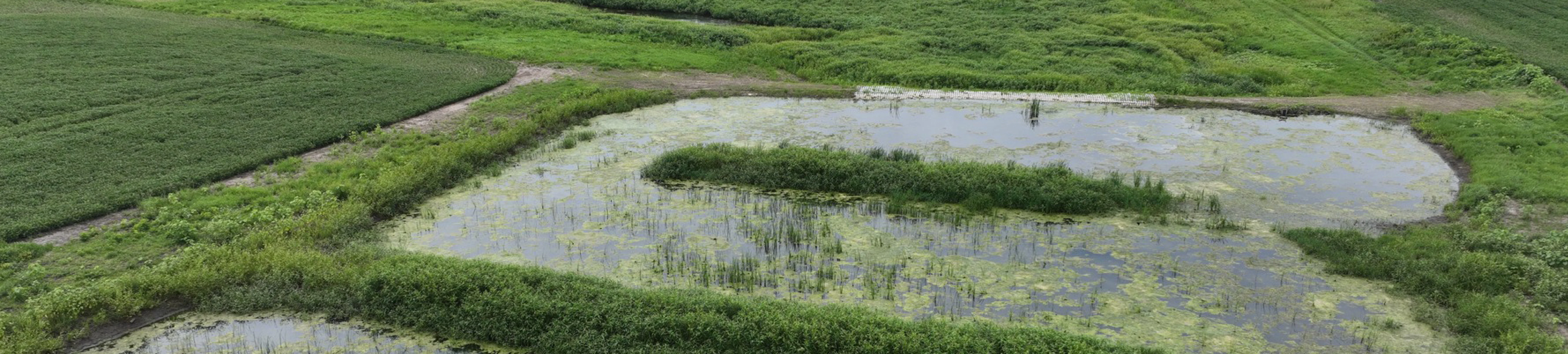
The Mississippi River Basin operates as a single, interconnected system where upstream conditions directly influence downstream outcomes and vice versa. Nutrient runoff from agricultural regions in the North contributes to hypoxia in the Gulf. Meanwhile, southern Basin communities face challenges such as saltwater intrusion with rippling effects on agricultural trade, nutrient transport, infrastructure networks, and climate resilience in the north. These dynamics highlight the physical connections between land use, hydrology, and water quality.
Takeaway: Effective solutions must reflect the system’s physical connectivity, recognizing localized actions can create downstream consequences.
3. Inconsistent data limits basin-wide decision-making
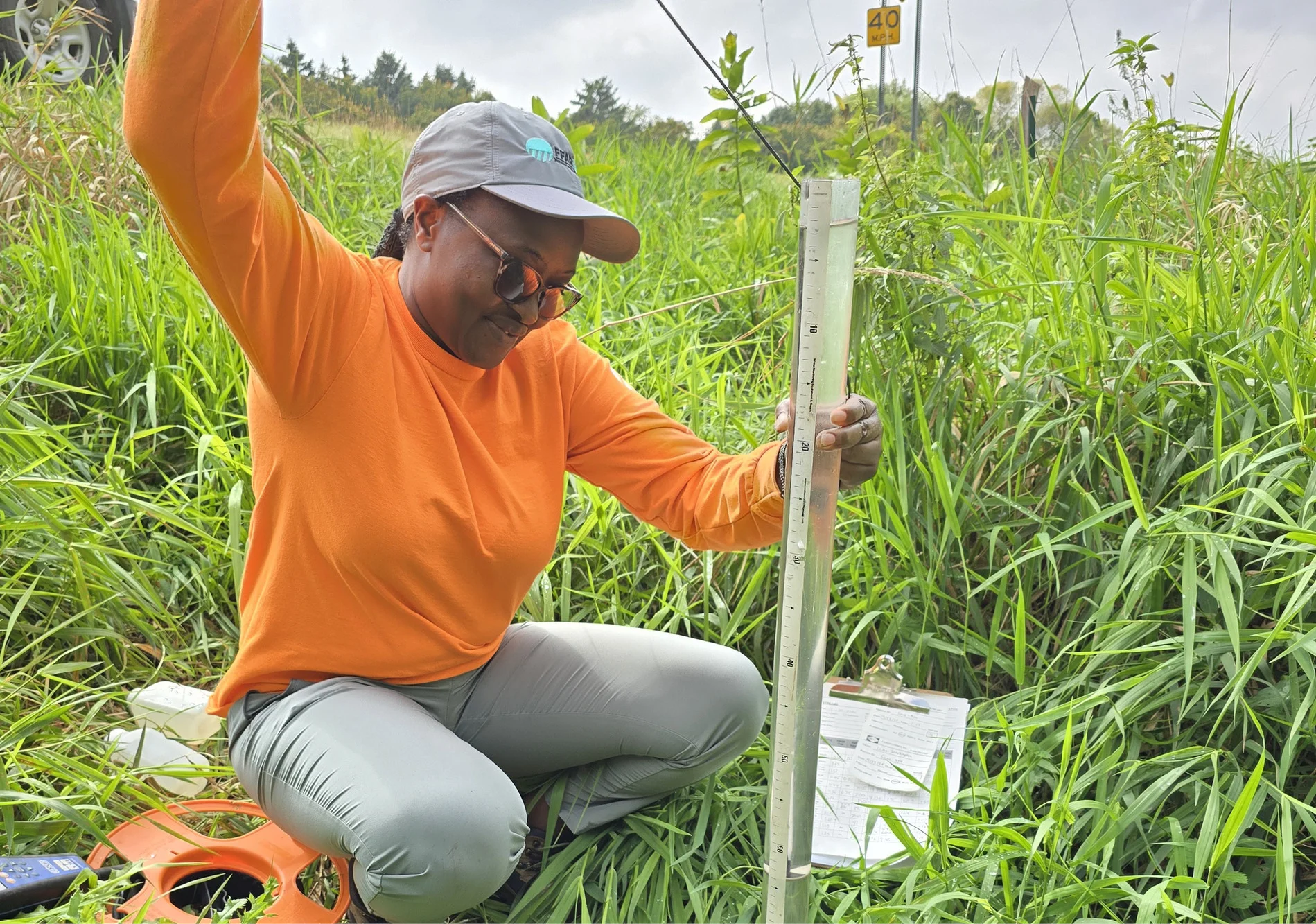
Monitoring approaches differ across sub-basins, as regions focus on distinct environmental priorities. Some programs focus on habitat health, while others are driven by endangered species or water quality objectives. As a result, comparing various water outcomes or tracking progress at a basin-wide scale can be challenging.
Takeaway: Greater alignment in data collection and a shared understanding of key metrics will support more informed decisions and stronger coordination across basin regions.
4. Collaboration aligns people, funding, and action
The workshop brought together federal and state agencies, nonprofits, academia, and private firms. The value extended beyond discussion, with participants identifying complementary roles that help streamline progress toward improving water systems. The Mississippi River Watershed Partnership leveraged this opportunity to advance the coalition’s framework for strengthening the health of the whole watershed in five key areas: fish and wildlife, navigation, flood and drought, recreation and water quality.
Takeaway: Coordinated collaboration helps connect resources and responsibilities, allowing water projects to be identified and acted upon.
5. Scaling solutions remains a key challenge
Many solutions discussed at the workshop are already being implemented at a local scale. However, expanding those efforts across the broader Basin remains a challenge due to differences in funding structures, program requirements, and regional priorities.
Takeaway: Moving from isolated successes to coordinated, Basin-wide implementation requires better alignment between projects, funding sources, and policy frameworks.
Learn more about the Mississippi River Watershed Partnership!