World Wetlands Day 2022—Action for People + Nature
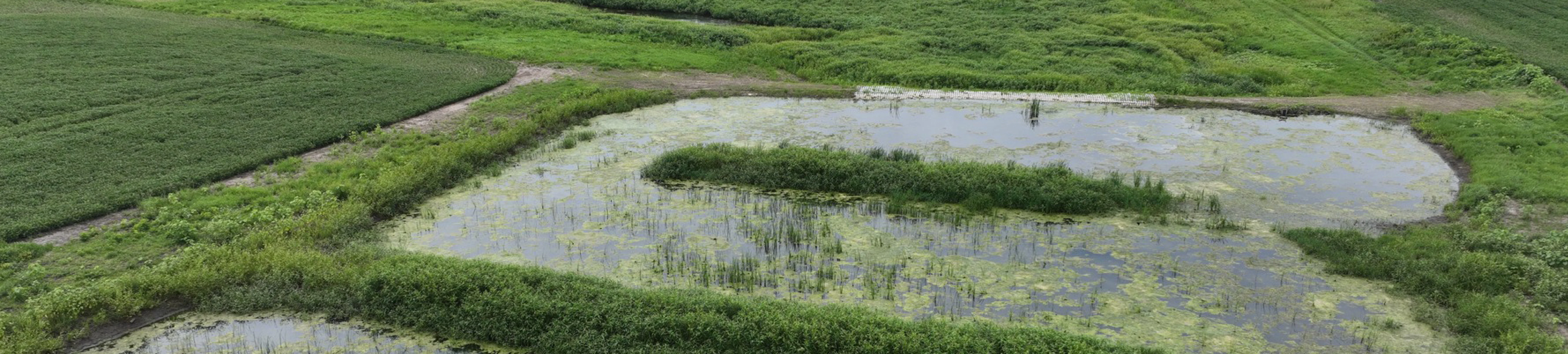
ISG is proud to be actively engaging in the global effort to restore and save the world’s disappearing wetlands, one of the most important and biodiverse ecosystems in the world. Our team of environmental experts invest in solutions that benefit planetary and human health, including guiding landowners through the development of wetland restoration projects that result in ‘banking’ opportunities. The wetland mitigation bank projects are an investment option for landowners who are interested in restoring wetland ecosystems that may reap both ecological and financial rewards.
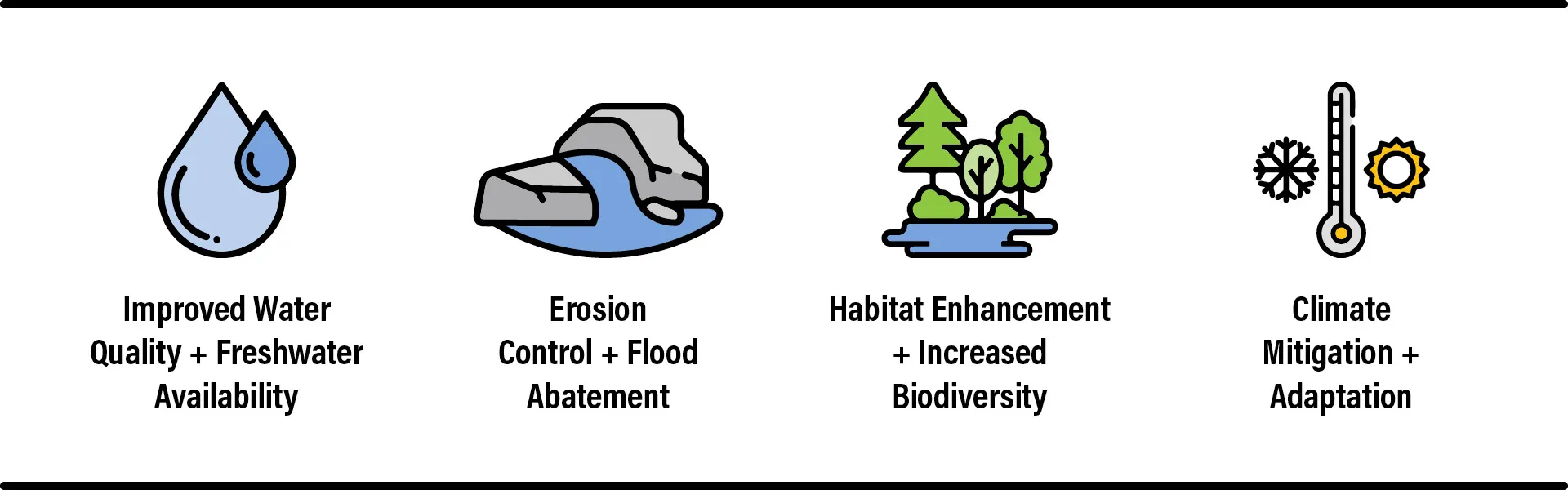
Wetland Benefits
- Improved Water Quality + Freshwater Availability
- Erosion Control + Flood Abatement
- Habitat Enhancement + Increased Biodiversity
- Climate Mitigation + Adaptation
Wetland Mitigation Banking—Restoring Ecology for the Release of Credits
Wetland mitigation banking is a formal action to offset the ecological loss of a development project. A wetland bank is a restored, preserved, or enhanced wetland which generates credits. The credits are purchased from landowners to build infrastructure that impacts wetlands. Through this transaction, wetland banks offset the impact that commercial and residential developments, roadway construction, and other projects have on wetlands to ensure this valuable resource is not depleted.

To date, ISG has completed:
40+ Wetland Restorations
Restoring the wetland to its most natural, vegetative condition is ISG’s goal. We consider the historical native plant communities and hydrology regimes to target a restoration plan that most closely resembles the site’s original conditions.


And Obtained:
240+ Wetland Credits Approved
250+ Wetland Credits In-Progress
Plant Ecology for Successful Restoration
Our plant ecologists develop Vegetation Restoration Plans with site-specific seeding, site preparation, and maintenance techniques using native plants for successful restorations that serve as safe havens for wildlife, increase watershed resiliency, and improve water quality.
Wetlands are a critical ecosystem for our planet. We are committed to their restoration and protection.

Contact Nick McCabe, ISG’s Senior Environmental Scientist, for more information on wetland restoration and banking.